
The Family Grocery Budget: Building One That Holds Up Week After Week
A comprehensive guide to creating a realistic household grocery budget, tracking it accurately, and adjusting when life gets unpredictable.
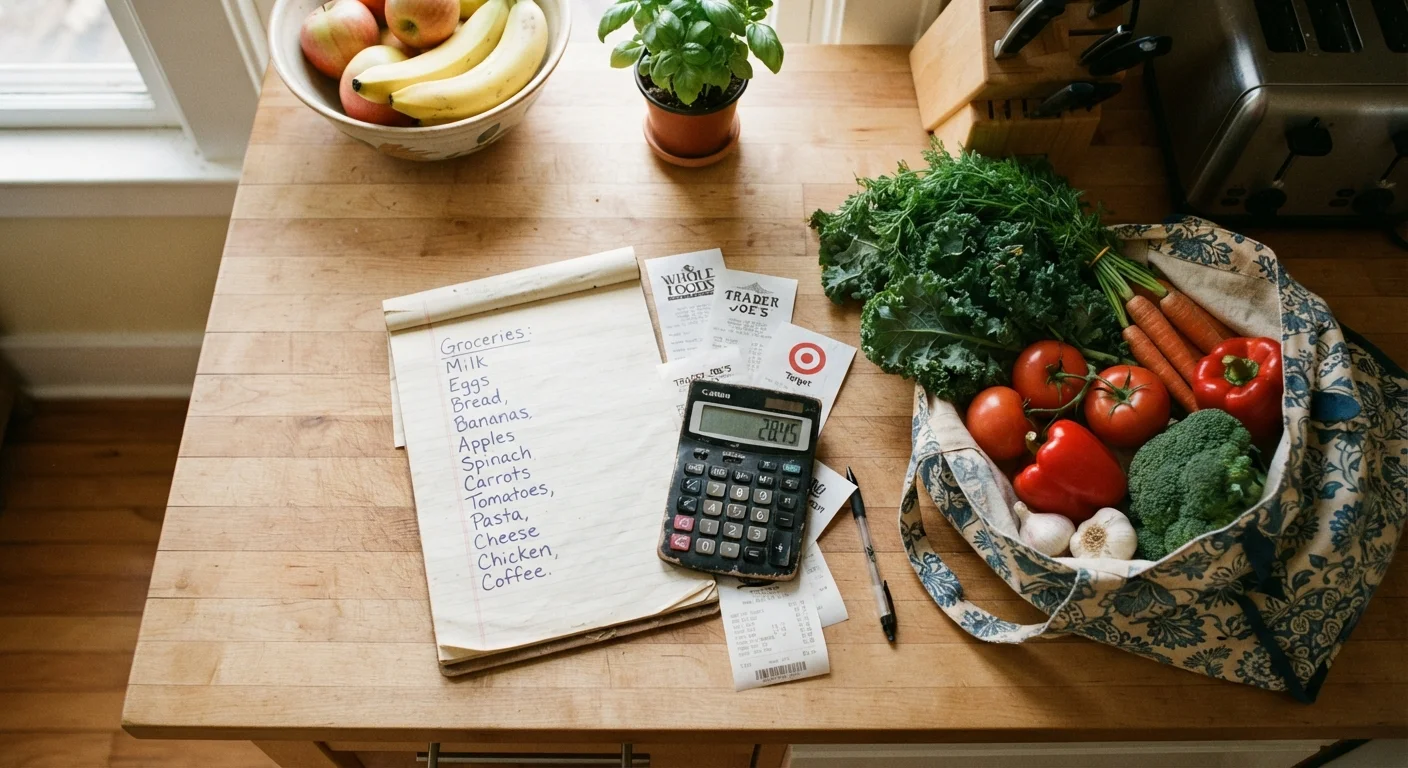
Photo: everythingtoday.com editorial
—— In This Article
Key Takeaways
- Start with three months of actual spending data before setting a grocery target number.
- Separate non-food household items from grocery totals to get a clean baseline.
- Build a small buffer into your weekly budget to absorb price swings without blowing the plan.
- Review spending every week, not monthly, so small overruns do not compound.
- Meal planning directly reduces both food waste and unplanned grocery trips.
Why most grocery budgets fail in the first month
Most households pick a grocery number based on what they think they should spend, not what they actually spend. That gap is where the budget collapses. The family sets $600 a month, discovers they have been spending $820, and either abandons the budget or cuts so aggressively that the plan becomes unsustainable within weeks.
Two other common failure points: lumping household supplies (cleaning products, paper goods, toiletries) into the grocery line without accounting for them, and forgetting irregular purchases like a big birthday cake, a school bake sale contribution, or a holiday meal. These are predictable costs even if the exact timing is not, and a budget that ignores them will fail on schedule.
A grocery budget that holds up is built on honest data, not aspiration. Before you set any target, you need to know what your household has actually spent.
When pulling your three-month spending baseline, add 5 percent to the average before setting your budget target. Grocery prices fluctuate, and building that margin in from the start prevents the first price increase from blowing your plan.
Families who set budgets at their exact historical average tend to go over as soon as any price changes, which erodes motivation quickly.
Designate one drawer or folder for grocery receipts during your first 30 days of budgeting. Reviewing them at month end reveals category patterns, like excess snack spending, that a single total number never shows.
Granular receipt data lets families make targeted adjustments rather than vague cuts, which are harder to stick to.
Setting a number that reflects your real household
Pull three months of bank and credit card statements and add up every grocery store and supermarket charge. Include warehouse club runs and pharmacy food purchases. Exclude restaurant and takeout spending; that belongs in a separate category. Once you have a three-month total, divide by three for your monthly average, then divide again by 4.3 to get a weekly figure.
That average is your starting point, not your ceiling. If the number seems high, look at what is inside it before cutting. Are household supplies padded into the total? The USDA publishes monthly food cost reports broken down by household size and age group, which can give you a general sense of where a typical family lands. Use those figures as a rough reference, not a mandate, since regional grocery prices vary significantly across the US.
Once you have your baseline, decide whether you want to hold at the average or work toward a modest reduction. Cutting 10 to 15 percent is generally achievable over two to three months without changing what your family eats in meaningful ways. Cutting 30 percent in week one is how budgets break. See our meal planning guide for practical ways to reduce costs while keeping nutrition intact.
Tracking your spending so the numbers mean something
A budget without tracking is just a wish. The simplest functional system: one designated card or payment method for all grocery purchases, checked against the budget every Sunday. If you prefer cash, the envelope method works well for grocery spending specifically. See how the envelope budgeting method works for a step-by-step breakdown of that approach.
Keep non-food household items in a separate envelope or spending category. Tracking them together obscures whether you are actually hitting your food target or just buying fewer paper towels.
Save receipts for two weeks when you start. Going through them line by line once reveals patterns that monthly totals hide: how much goes to snacks, beverages, prepared foods, and items that end up thrown out. Unit price math can sharpen individual purchase decisions once you know which categories are pulling the most weight in your total.
Adjusting the budget when life gets unpredictable
A budget that cannot flex will be abandoned. Build a buffer of roughly 10 percent into your weekly figure specifically for price changes, unexpected guests, or a week when everyone is sick and convenience matters more than thrift. That buffer is not permission to overspend; it is insurance against a single hard week triggering the conclusion that budgeting does not work.
When a genuine change happens, such as a new baby, a teenager who now eats like an adult, or a household member with a new dietary need, revise the budget to reflect reality. Running the same three-month data pull after a life change will give you a new honest baseline. Do not try to hold a number that no longer fits the household.
Check your recurring household charges periodically as well. Grocery delivery subscription fees and meal kit memberships sometimes hide in bank statements and inflate what you think you are spending at the store.
Habits that keep the budget intact week after week
Consistency matters more than perfection. A family that reviews spending every Sunday and shops with a list will outperform one with a detailed plan they never look at. Three habits account for most of the gains:
- Shop with a written list built around what is already in the pantry and what is on sale that week. Planning meals around sales and pantry staples reduces both the total bill and the number of last-minute trips, which are reliably expensive.
- Check the unit price rather than the shelf price. A larger package is not always cheaper per ounce. Our guide to reading unit price labels covers this in detail.
- Use store loyalty programs and digital coupons before checkout. Couponing without the chaos explains how to do this in under ten minutes a week without building a binder.
Affordable whole grains, legumes, and seasonal produce carry significant weight in keeping grocery costs down without reducing nutrition. See whole grains on a budget for specific options that stretch a grocery dollar further.

Shopping Editorial Team
Shopping Editorial Team is the collective byline for our editorial team and contributor network. Articles published under this byline or an editorial pen name are researched, written, and reviewed according to our editorial standards for clarity, consistency, and independence before publication.
View author profile