
Couponing Without the Chaos: A Practical System for Busy Families
Cut through the complexity of modern couponing with an organized, time-efficient approach that fits into a real family schedule.
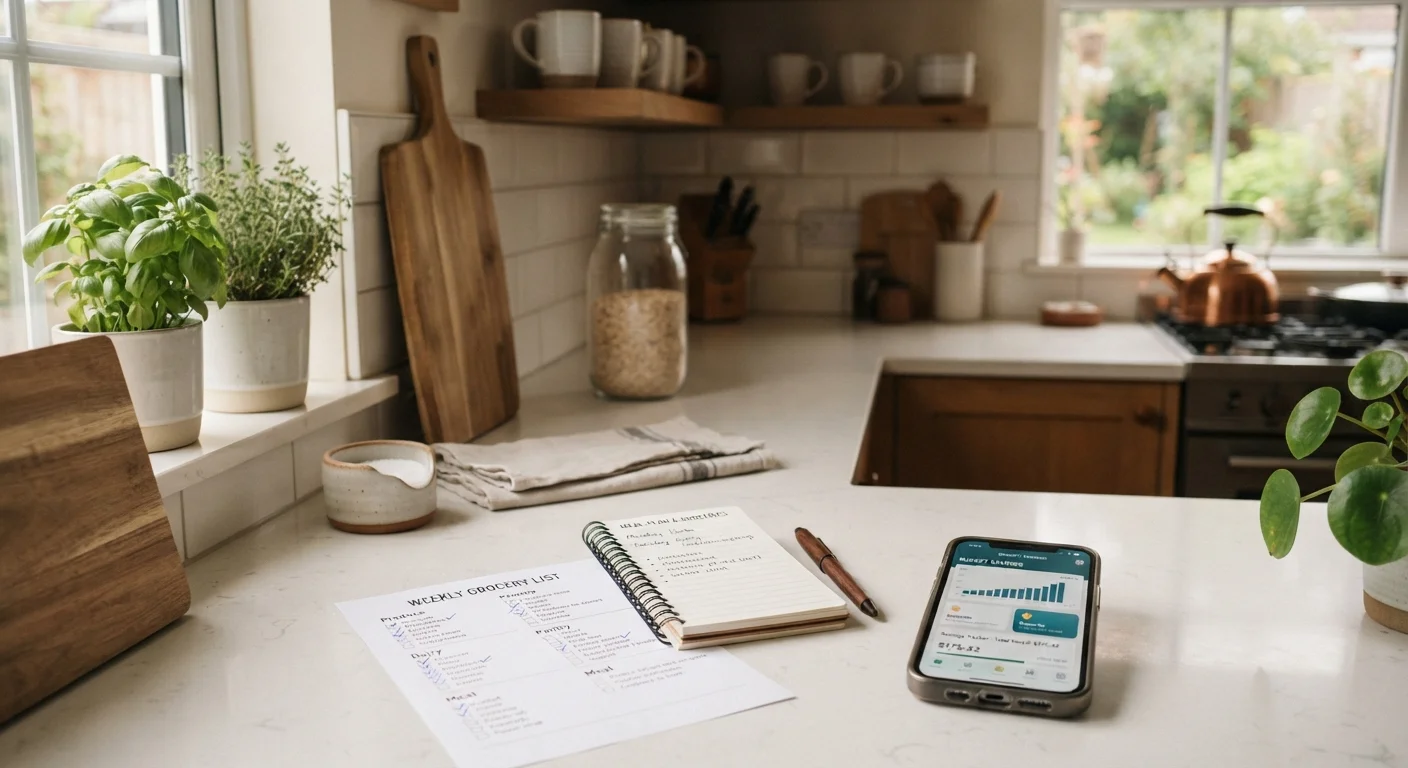
Photo: everythingtoday.com editorial
—— In This Article
Key Takeaways
- A 20-minute weekly routine is enough to capture most available savings without creating extra stress.
- Focusing on categories you already buy is more efficient than chasing every available deal.
- Digital coupons and store apps have largely replaced paper clipping for most household categories.
- Stacking store sales with manufacturer coupons produces the largest per-trip savings.
- Tracking what you actually save keeps the habit motivated and shows where to adjust.
Why most couponing systems fall apart
The couponing approaches that burn families out share a common flaw: they treat savings as a full-time job. Clipping every circular, organizing binders by category, and driving to three stores to chase loss leaders takes hours that most families do not have. The result is a system that works for two weeks, then gets abandoned entirely.
A practical system looks different. It starts with what your family already buys, limits the time commitment to a defined weekly window, and uses the digital tools that stores have already built. You do not need to save money on everything. Saving consistently on groceries, household supplies, and personal care products is enough to make a real difference in a monthly budget.
If you are still building out the broader financial picture, the family grocery budget guide covers how to set realistic spending targets before you start optimizing around them.
What you need before you start
What you will need
With those pieces in place, the system below takes about 20 to 30 minutes to set up initially, then 15 to 20 minutes each week to maintain.
The step-by-step system
Build your master shopping categories list
Write down every recurring category your family buys: dairy, produce, meat, canned goods, cleaning supplies, paper products, and personal care. This list is your filter. Any coupon that does not match a category on this list gets ignored, which eliminates most of the noise that makes couponing feel overwhelming.
Sign up for your stores' digital programs
Most major grocery chains and mass retailers run loyalty programs that load digital coupons directly to your account. Download the app for the one or two stores you visit most, create an account, and clip digital coupons to your card before each trip. These coupons apply automatically at checkout when you scan your rewards card or phone number, which removes the paper-management step entirely.
Check the weekly ad before you write your shopping list
Spend five minutes each week looking at the store circular, either in the app or online, before you finalize your list. Note which items on your master categories list are on sale. Build your meal plan and shopping list around those sale items rather than deciding what you want first and then hunting for coupons to match.
This one habit, buying what is on sale within your existing categories rather than couponing for a fixed list, produces more consistent savings than any other single step.
Stack store sales with available coupons
When a sale price and a manufacturer coupon align on the same product, the combined discount is where meaningful savings appear. Manufacturer coupons come from brand websites, Sunday newspaper inserts (less common now but still available in some markets), and coupon aggregator sites. Load or clip the manufacturer coupon, then buy the item during its store sale week. This is the core mechanic of efficient couponing.
Track what you actually save
Your grocery receipt shows the total saved at checkout. Write that number down or photograph the receipt. At the end of the month, add up your totals. This takes two minutes and tells you whether the time investment is paying off. Adjust your category focus based on where the savings are actually appearing, not where you assumed they would.
Pair this routine with a consistent pre-trip checklist. The family shopping prep checklist walks through how to organize your list and avoid impulse additions that erase coupon savings at checkout.
If you plan meals around what is already on sale, your coupon savings compound quickly. The approach to meal planning around sales and pantry staples explains how to structure that habit without it taking over your Sunday.
Combine couponing with meal planning
Couponing works best when your weekly meals are flexible enough to shift toward what is on sale. If you plan meals first and then coupon, you limit your options. If you check sales first and plan meals around them, your grocery savings and food budget reinforce each other. The meal planning on a tight budget guide covers how to do this without sacrificing nutrition.
Keeping the system going without burning out
The single most common reason couponing stops working is scope creep. A family starts with groceries, then adds clothing, then home goods, then pharmacy runs, and within a month the system is too heavy to maintain. Pick two or three categories where your family spends consistently and focus there.
Track your savings in a simple note or spreadsheet. Even a rough monthly total gives you a concrete number to weigh against the time you invest. If the math stops making sense, cut a category rather than quitting the whole system.
For families working on spending discipline more broadly, sustainable frugality strategies covers how to reduce costs in ways that hold up over time without feeling like constant sacrifice.

Shopping Editorial Team
Shopping Editorial Team is the collective byline for our editorial team and contributor network. Articles published under this byline or an editorial pen name are researched, written, and reviewed according to our editorial standards for clarity, consistency, and independence before publication.
View author profile