
Before You Fill the Cart: A Family Shopping Prep Checklist
Use this step-by-step checklist before every major shopping trip to avoid impulse purchases, forgotten items, and budget overruns.
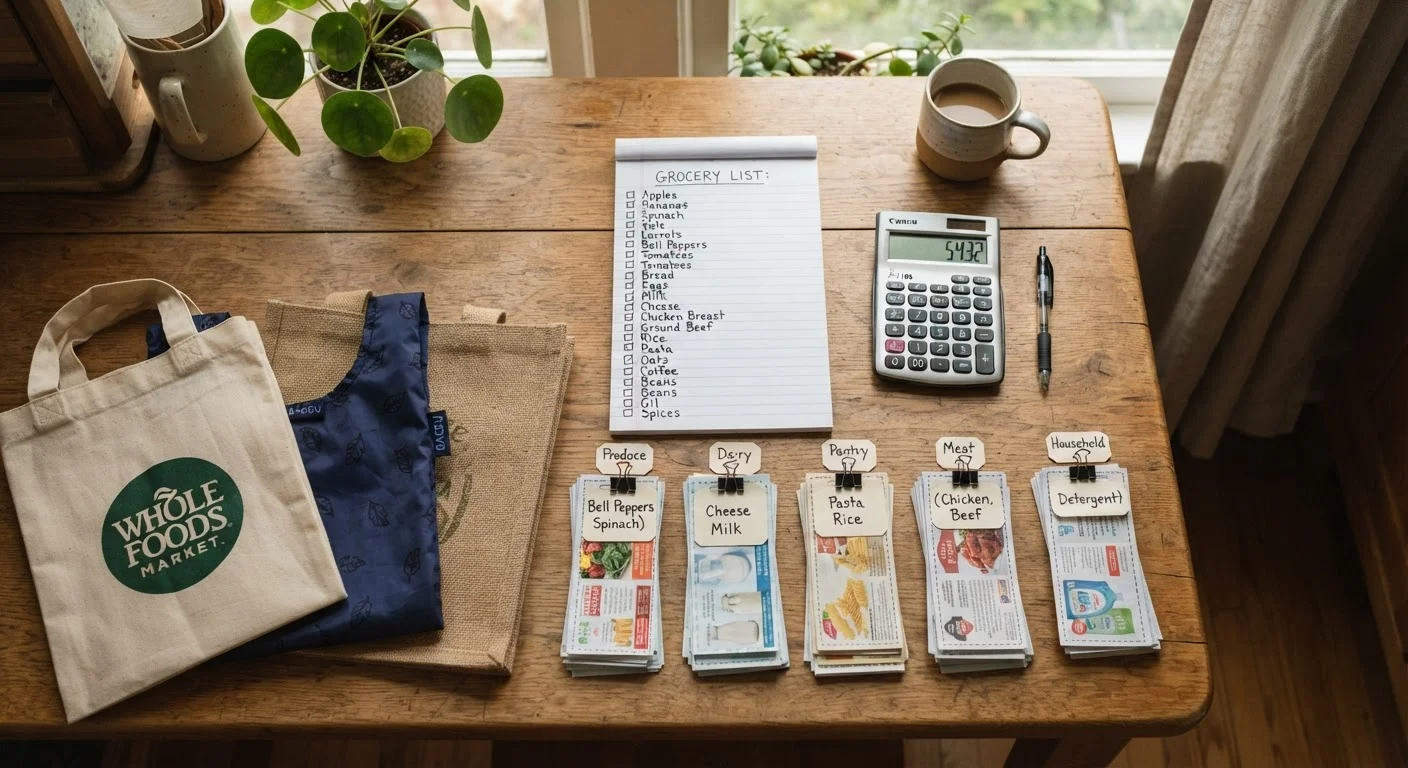
Photo: everythingtoday.com editorial
—— In This Article
Key Takeaways
- Checking your pantry and fridge before writing a list prevents duplicate purchases.
- Setting a firm budget before you shop reduces overspending at the register.
- Organizing your list by store section cuts down on time spent backtracking.
- Reviewing pending sales or store circulars before you leave can lower the total bill.
- Confirming your payment method and loyalty accounts ahead of time avoids checkout friction.
Why prep before the store matters
Most budget overruns at the grocery store happen before a single item goes in the cart. Skipping the prep step causes duplicate buys, forgotten staples that require a second trip, and impulse purchases that fill the gaps left by a vague list. The 20 to 40 minutes this checklist takes can pay for itself in a single shopping trip.
This checklist covers four stages: auditing what you already have, setting your budget, building a structured list, and confirming logistics before you walk out the door. Work through each stage in order. If you shop for groceries weekly, pairing this prep with a meal plan makes the list-building stage much faster and keeps your nutritional goals on track.
Families who track where overspending creeps in will also find it useful to read about habits that quietly inflate monthly spending before running through this checklist the first time.
Tools you will need
You do not need special software or apps to use this checklist, but a few basic tools make each stage faster and more accurate.
Notepad or list app
Builds and organizes your shopping list by store section.
Last week's grocery receipt
Gives a baseline for price estimates and helps you spot where the budget was off.
Store loyalty or rewards app
Lets you clip digital coupons and see current sale prices before you write the list.
Calculator or phone
Helps you tally running totals against your budget as you build the list.
Weekly store circular (print or digital)
Shows what is on sale this week so you can plan purchases around current prices.
The full prep checklist
Work through the groups below in sequence. Items marked "must" are non-negotiable if your goal is staying on budget. Items marked "should" are strongly worth doing. Items marked "nice to have" add efficiency but can be skipped when time is short.
Pantry and fridge audit
Budget setting
List building
Pre-departure checks
If you use coupons or store loyalty programs, the pre-departure stage is the right time to apply them. A structured approach to couponing can reduce that step from 15 minutes to under five. See our practical couponing system for busy families for a workflow that fits into a real schedule.
After the trip: close the loop
The checklist does not end at the register. When you get home, spend five minutes comparing your receipt against your list. Note any items that came in over your estimated price and any impulse buys that slipped through. That information feeds directly into the next trip's budget and list.
If your household does seasonal or bulk shopping in addition to weekly grocery runs, the same prep stages apply. The audit step becomes more detailed, the budget figure is larger, and the list categories expand, but the structure holds.
Families new to structured trip planning often start with grocery runs and expand the same habits to larger purchases. The discipline transfers well to broader lifestyle budgeting, including travel. If you are beginning to plan family trips with the same budget mindset, the family vacation planning checklist uses a parallel structure and will feel familiar.

Shopping Editorial Team
Shopping Editorial Team is the collective byline for our editorial team and contributor network. Articles published under this byline or an editorial pen name are researched, written, and reviewed according to our editorial standards for clarity, consistency, and independence before publication.
View author profile