
Spending Less Without Feeling Deprived: Strategies for Sustainable Frugality
Long-term frugality works when it feels like a choice, not a punishment. These approaches help families cut costs while keeping morale and quality of life intact.
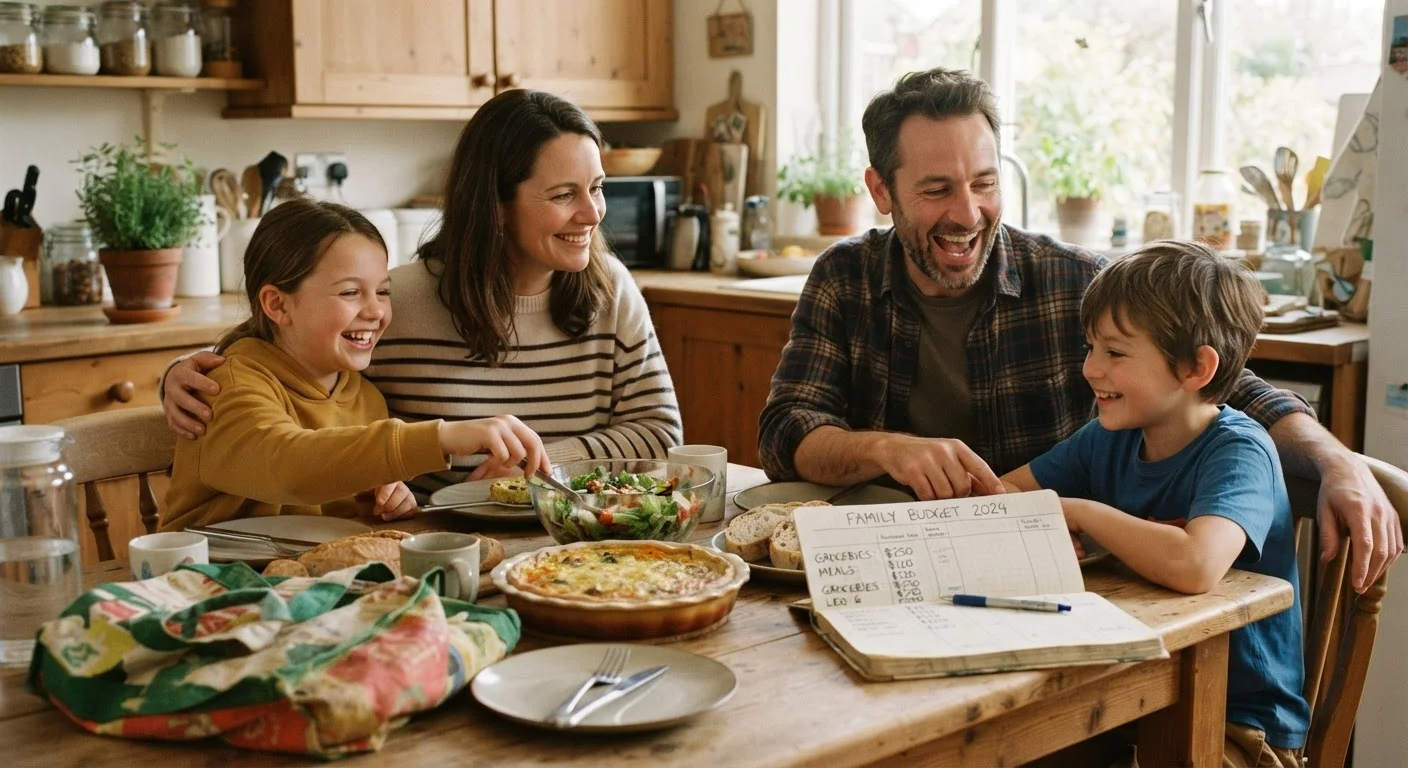
Photo: everythingtoday.com editorial
—— In This Article
Key Takeaways
- Frugality works long-term when it preserves the things families genuinely value.
- Small, consistent habits tend to save more money than dramatic one-time cuts.
- Involving children in budget conversations builds lifelong money habits.
- Spending thoughtfully on priorities makes saying no elsewhere much easier.
- Community resources and free activities can replace costly paid entertainment.
Why most frugality attempts stall out
Most families who try to cut spending start strong and fade within a few months. The usual culprit is not willpower. It is that the approach treats every dollar as equally cuttable, which means the things that actually make family life enjoyable disappear first. When weekend dinners, after-school activities, and the occasional treat all vanish at once, frugality stops feeling like a strategy and starts feeling like a sentence.
The households that make lasting changes tend to do one thing differently: they decide what they genuinely care about before touching the budget. That shift turns cutting from subtraction into editing. You end up with a spending plan that reflects your family's real priorities rather than one that simply looks smaller.
Frugality is not the same as austerity
Cutting spending does not mean eliminating enjoyment. The goal is to redirect money from things that add little value toward things that genuinely matter to your family. Many households find their satisfaction with daily life actually increases when spending becomes more intentional, because purchases feel chosen rather than automatic.
Practices that keep frugality sustainable
The following approaches address the most common places where family spending quietly grows without adding much to daily life. None of them require extreme sacrifice. Each one works best when treated as a habit rather than a one-time event.
Identify your family's non-negotiables before cutting anything.
When people cut expenses without a clear sense of what matters most, they often sacrifice things they actually care about and keep paying for things they barely notice. Knowing your priorities makes every spending decision easier and prevents the resentment that derails most budget attempts.
Build one simple weekly meal plan and shop from it.
Unplanned grocery trips and last-minute meals are among the most consistent sources of household overspending. A weekly plan reduces food waste, limits impulse purchases, and makes it far easier to use store sales strategically.
Audit subscriptions and recurring charges every three months.
Subscriptions accumulate quietly. A quarterly review takes under an hour and frequently uncovers services the family has stopped using but is still paying for each month.
Replace paid entertainment with free and low-cost alternatives first.
Entertainment is one area where families feel deprivation most sharply, so replacing paid options with genuinely enjoyable free ones is worth the effort. Many libraries, parks, and community centers offer programming that rivals paid alternatives.
Use a simple cash-allocation system for categories that tend to creep.
Categories like dining out, clothing, and entertainment often exceed budgets because digital spending is easy to lose track of. Allocating a set amount per period and spending only that makes the limit concrete and tangible.
Bring children into age-appropriate spending conversations.
Kids who understand family finances are less likely to create pressure that strains the budget, and they build money skills that serve them for life. Framing choices as intentional rather than scarce helps children feel included rather than deprived.
Where small habits do the most work
Grocery spending and entertainment are usually the two categories with the most recoverable money. Unplanned grocery trips and convenience meals cost families significantly more over a year than any single large purchase. The organized couponing approach covered in our shopping section can layer additional savings on top of a solid meal plan without demanding hours of prep time.
On the entertainment side, the goal is not to eliminate fun but to make sure paid activities are genuinely preferred over free alternatives, not just defaulted to out of habit. Once families actually try library passes, local trails, and community programs, many find those options compete well with paid ones.
Shopping habits also shape nutrition in ways families do not always notice. Our piece on grocery habits that affect nutritional value shows how budget-conscious choices can overlap with healthier ones, so cutting spending in this area often pays off twice.
Getting the whole family on the same page
A frugal plan that only one parent enforces rarely lasts. When children understand why the family makes certain choices, they create less friction around them. Teaching kids to compare value, weigh needs against wants, and feel some ownership over decisions makes the whole household easier to manage financially. Our guide on raising thoughtful young shoppers offers low-pressure ways to work those conversations into everyday errands.
The broader shopping hub and nutrition hub both have resources that connect naturally to family budget goals, from smarter store habits to meals that cost less without skimping on nutrition.
“Frugality is not about being cheap. It is about making your spending reflect your values.”
— Elizabeth Warren, U.S. Senator and co-author of 'All Your Worth: The Ultimate Lifetime Money Plan'

Lifestyle Editorial Team
Lifestyle Editorial Team is the collective byline for our editorial team and contributor network. Articles published under this byline or an editorial pen name are researched, written, and reviewed according to our editorial standards for clarity, consistency, and independence before publication.
View author profile