
Grocery Shopping Habits That Quietly Drain Your Nutritional Value
Some common shopping patterns lead families toward less nutritious choices without realizing it. Learn which habits to rethink at the store.
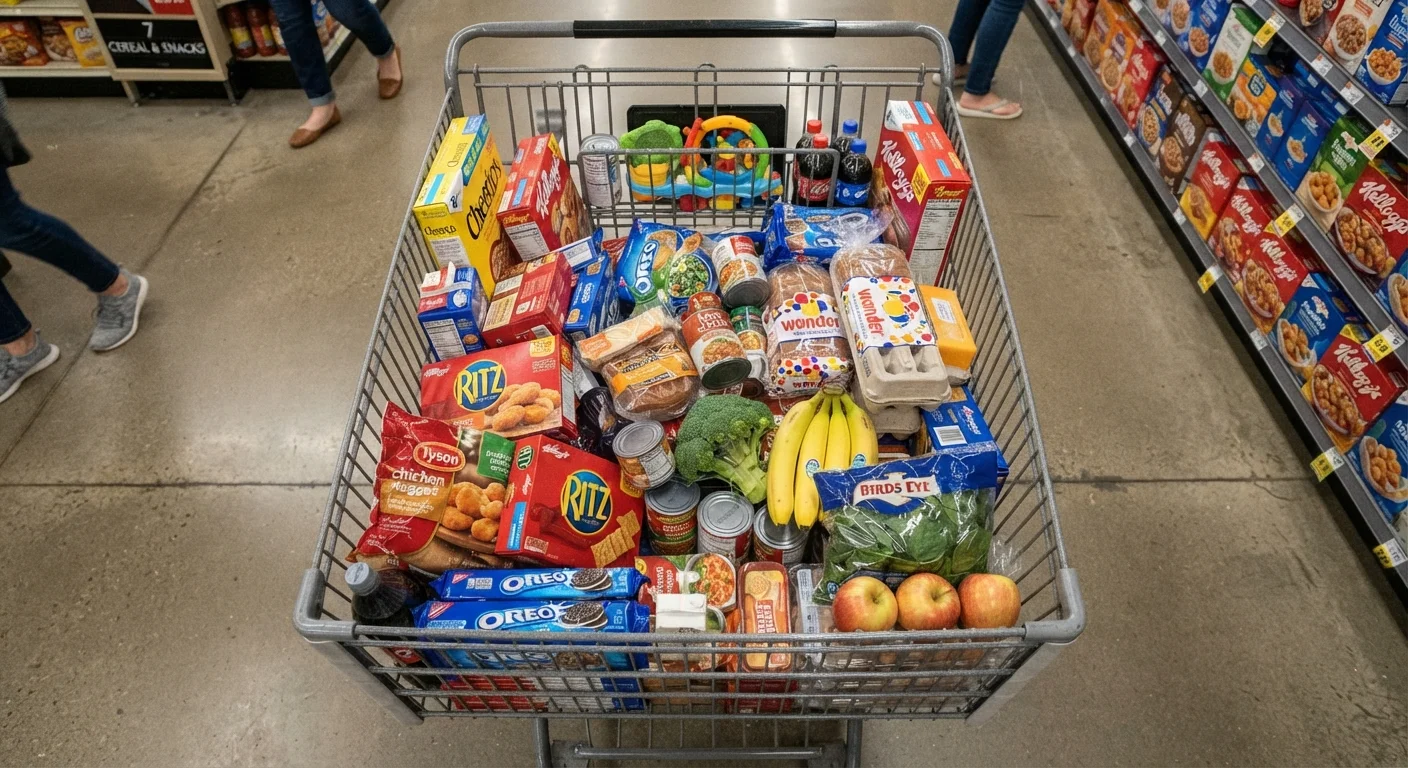
Photo: everythingtoday.com editorial
—— In This Article
Key Takeaways
- Shopping without a plan consistently leads to less nutritious food choices and more processed items in the cart.
- Store layout and product placement are designed to direct shoppers toward high-margin, low-nutrient products.
- Frozen vegetables are nutritionally comparable to fresh and often cost less per serving.
- Reading ingredient lists, not just front-of-package claims, gives a more accurate picture of nutritional value.
- Buying in bulk saves money only when the food gets eaten before it spoils or loses quality.
How shopping habits shape what families actually eat
Most families do not set out to fill their carts with low-nutrient food. The drift happens gradually, through routines that feel practical but quietly reduce the quality of what ends up on the table. Understanding where those patterns come from is the first step toward changing them.
The mistakes below are common, well-documented, and correctable without overhauling a family's budget. For a broader framework, the meal planning guide for balanced family nutrition pairs well with the habit corrections here.
Shopping without a list or meal plan, leading to impulse purchases of heavily processed, convenient items.
Why it happens: Families often shop reactively, making decisions aisle by aisle based on what looks appealing or is on sale, rather than what fills a nutritional gap in the week's meals.
Treating front-of-package health claims as a reliable indicator of nutritional quality.
Why it happens: Phrases like "high protein," "whole grain," or "low fat" are prominent and easy to read, so shoppers use them as shortcuts instead of checking the full Nutrition Facts panel.
Avoiding the frozen aisle under the assumption that fresh produce is always more nutritious.
Why it happens: Fresh vegetables look more wholesome and are traditionally associated with healthy eating, while frozen items can feel like a compromise.
Buying bulk quantities of perishable items without a concrete plan to use them.
Why it happens: Large packages look like better value per unit, and families often overestimate how much they will realistically cook or eat before food spoils.
Skipping protein-rich staples in favor of cheaper high-calorie fillers like chips and crackers.
Why it happens: Snack foods are inexpensive per package and filling in the short term, which makes them feel economical, but they provide little protein, fiber, or micronutrient value.
What the research says about grocery decisions
70%
Of grocery purchases made in-store without prior planning
Consumer behavior studies cited in food marketing literature consistently find that a large share of grocery decisions are unplanned, making shoppers susceptible to product placement and promotional displays.
3x
More added sugar in heavily marketed "health" snacks
An analysis by researchers at the University of Connecticut's Rudd Center found that many products marketed with health claims contained significantly more added sugar than their standard counterparts.
Most purchasing decisions in a grocery store happen quickly and without much deliberation, according to consumer behavior research published in the Journal of Marketing Research. Store layouts place high-margin, heavily processed items at eye level and near the entrance, while whole grains, legumes, and frozen vegetables tend to occupy less prominent positions. Families who shop hungry or without a list are more exposed to these placement effects.
Front-of-package claims like "natural," "multigrain," or "made with real fruit" are marketing language, not regulated nutritional standards. The USDA and FDA set rules for specific terms like "organic" and "low-sodium," but many front-panel phrases carry no legal definition. Flipping the package and reading the ingredient list and Nutrition Facts panel gives far more reliable information. The guide to reading a nutrition label explains what each section means in plain terms.
Families who shop with a list tied to planned meals also spend less overall, which means more budget room for nutrient-dense staples. A family shopping prep checklist can make that preparation faster and more consistent.
Building a cart that holds its nutritional value
Correcting these habits does not require spending more. Frozen vegetables are nutritionally comparable to fresh, according to research reviewed by the Academy of Nutrition and Dietetics, and often cost less per serving. Why frozen vegetables are just as nutritious as fresh covers the science in more detail. Dry legumes, whole oats, brown rice, and canned fish are affordable, shelf-stable, and nutrient-dense anchors for a family cart.
Calcium does not require buying the most expensive dairy products. Affordable calcium sources beyond the dairy aisle outlines plant-based and whole-food alternatives that cost less and work well in everyday cooking. Similarly, whole grains on a budget shows how to get fiber and micronutrients from inexpensive staples most stores carry year-round.
Habits that quietly inflate spending and habits that reduce nutritional value often overlap. The shopping habits that quietly inflate monthly spending article addresses that overlap from a budget angle.
This article is for general informational purposes only and is not medical or dietary advice. For personalized guidance on your family's nutritional needs, consult a registered dietitian or qualified healthcare provider.

Nutrition Editorial Team
Nutrition Editorial Team is the collective byline for our editorial team and contributor network. Articles published under this byline or an editorial pen name are researched, written, and reviewed according to our editorial standards for clarity, consistency, and independence before publication.
View author profile