
Reading a Nutrition Label Without Getting Lost in the Numbers
Nutrition labels pack a lot of information into a small space. This guide explains what each section means and what to actually pay attention to.
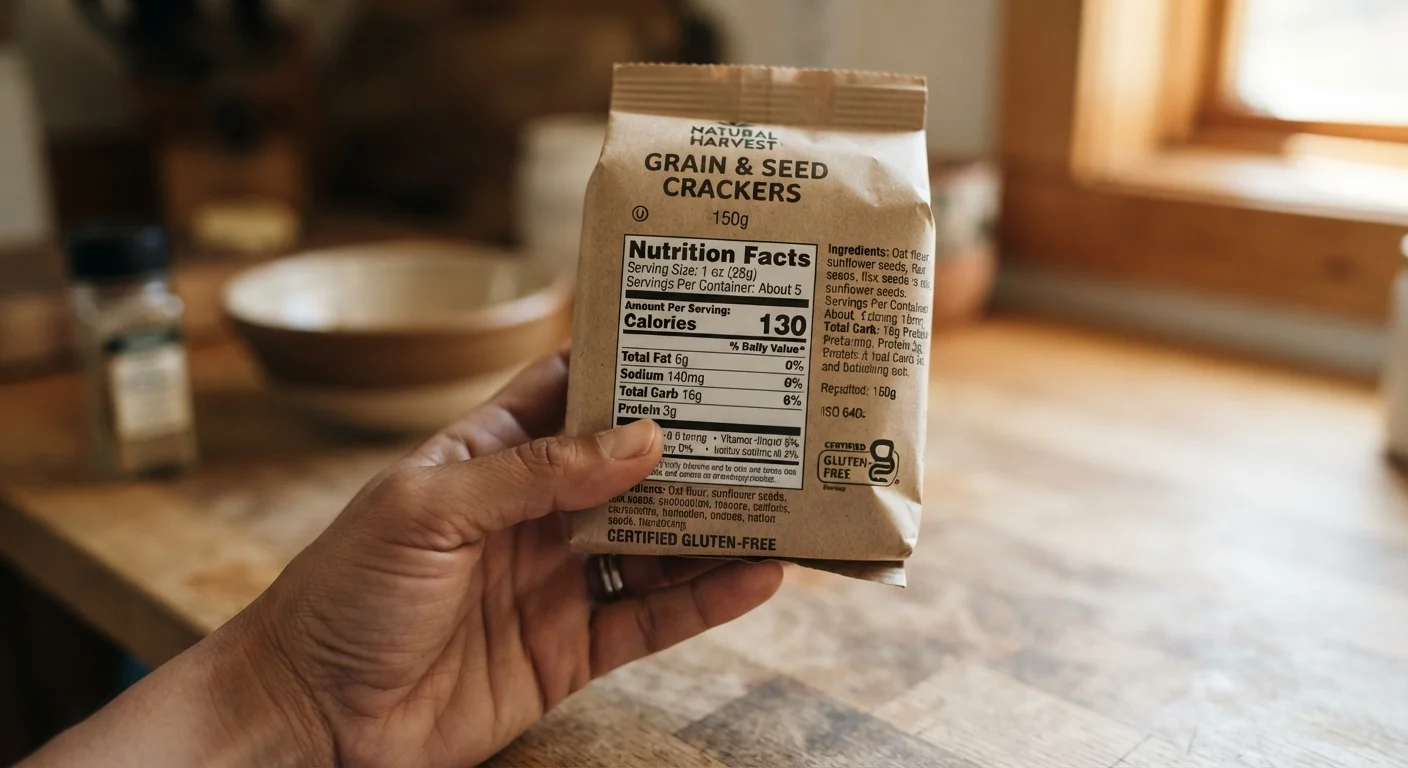
Photo: everythingtoday.com editorial
—— In This Article
Key Takeaways
- Serving size controls every number on the label, so check it before comparing products.
- The % Daily Value column uses a 2,000-calorie reference diet; individual needs vary.
- Sodium, saturated fat, and added sugars are the three numbers most families benefit from watching.
- Ingredients appear in descending order by weight, which reveals what a product is mostly made of.
- Store-brand and name-brand products with similar labels offer equivalent nutrition at different prices.
What the serving size section actually controls
Every nutrition label starts with two lines: serving size and servings per container. These two numbers govern every figure that follows. If a bag of crackers lists a serving as 15 pieces but the bag holds four servings, and you eat the whole bag, you need to multiply every nutrient by four.
The FDA updated label rules in 2020 to require serving sizes that better reflect how Americans actually eat. Some products now list two columns: one for a single serving and one for the whole package, which makes the math more visible.
When comparing two products, confirm that both have the same serving size before drawing conclusions. A cereal that looks lower in sugar per label may simply have a smaller listed serving.
Serving size
The measured amount of food the label's numbers are based on. It is set by the manufacturer within FDA guidelines and may differ from how much you actually eat.
% Daily Value
A percentage showing how much of a nutrient one serving contributes to a standard 2,000-calorie daily diet. It is a reference point, not a personal prescription.
Added sugars
Sugars that are added to a food during processing, separate from sugars that occur naturally in ingredients like fruit or dairy. The label lists them on their own line.
Saturated fat
A type of fat found mainly in animal products and some tropical oils. Dietary guidelines generally recommend limiting intake, and it has its own line on the label.
Dietary fiber
The indigestible part of plant foods that supports digestive health. Most Americans consume less than the recommended amount, so a higher % DV is generally favorable.
Nutrient density
How much nutritional value a food provides relative to its calorie count. A nutrient-dense food delivers a good amount of vitamins, minerals, or fiber per calorie.
Calories and daily values: what the percentages mean
Below the serving size, calorie count appears in large type. It tells you the energy in one serving. The number itself is less useful in isolation; what matters is how it fits into the pattern of a full day's eating for your family.
The % Daily Value (DV) column runs down the right side of the label. The FDA bases these percentages on a 2,000-calorie daily diet. A general reading rule from the FDA: 5% DV or less is low for a nutrient, and 20% DV or more is high. Use these as rough signals, not precise targets, since every person's calorie needs differ by age, size, and activity level.
Children, pregnant individuals, and people managing chronic conditions may have significantly different needs. A registered dietitian can translate general label information into guidance that fits a specific household.
This article is for general informational purposes only and is not medical or dietary advice. Consult a qualified healthcare provider or registered dietitian for guidance specific to your family's health needs.
Nutrients to limit and nutrients to get enough of
The label groups nutrients into two practical categories. The first group contains nutrients most Americans already consume in excess: saturated fat, sodium, and added sugars. High intake of each is associated with health concerns in the broader dietary science literature, which is why the FDA requires them on the label.
The second group contains nutrients many people fall short on: dietary fiber, vitamin D, calcium, iron, and potassium. For these, a higher % DV is generally a positive signal.
For families shopping on a budget, this distinction helps. Foods like canned beans, frozen spinach, and dried lentils tend to score well on the second group while remaining affordable. Understanding nutrient density can help your family get more nutritional value per dollar spent.
A quick check at the store
When comparing two similar products, look at serving size first, then check sodium and added sugars % DV. If both figures are under 10% DV, the product is a reasonable choice for most families. This takes about 30 seconds per product once you know where to look.
The ingredient list and what to look for
Ingredients appear in descending order by weight. Whatever appears first is present in the largest amount. A product whose first three ingredients are whole grain oats, water, and dried fruit is composed mostly of those things. One where sugar or refined flour leads the list is composed mostly of those.
Added sugars appear under many names: corn syrup, dextrose, maltose, evaporated cane juice, and others. The ingredient list will show each separately, while the nutrition facts panel rolls them into the added sugars line.
Long ingredient lists are not automatically a problem. Some indicate that a product contains many whole food ingredients. Short lists are not automatically better either. Reading the first five ingredients gives a reliable sense of what a product is primarily made of. Pairing this habit with smarter grocery shopping habits helps families avoid products that look nutritious on the front of the package but tell a different story on the back.
Using labels to compare foods on a budget
Nutrition labels are a direct comparison tool. Two products can be held side by side with the same criteria applied to both, regardless of package design or front-of-pack claims. Words like "natural," "wholesome," or "made with real fruit" have no standardized regulatory definition and appear on the front panel only; the label on the back is where regulated information lives.
Store-brand products frequently match name-brand nutrition profiles at lower prices. Checking the label makes this easy to confirm. A store-brand canned tomato and its name-brand equivalent often share nearly identical sodium content, vitamin percentages, and ingredient lists.
For families planning weekly meals, the label also helps with sodium budgeting across the day. A single can of soup can account for a large share of the sodium listed as a daily target. Choosing a lower-sodium version of the same product or pairing it with lower-sodium foods elsewhere in the day are both workable strategies. Meal planning on a tight budget covers how to build those patterns across a full week.
If comparing unit prices alongside nutrition is part of your routine, unit price math shows how to read shelf labels accurately so you can make both a nutritional and a cost comparison at the same time.
Frequently Asked Questions

Nutrition Editorial Team
Nutrition Editorial Team is the collective byline for our editorial team and contributor network. Articles published under this byline or an editorial pen name are researched, written, and reviewed according to our editorial standards for clarity, consistency, and independence before publication.
View author profile