Teaching Kids to Be Thoughtful Shoppers Without Turning Every Trip Into a Lesson
Practical ways to help children understand value, needs versus wants, and spending decisions through everyday shopping experiences.
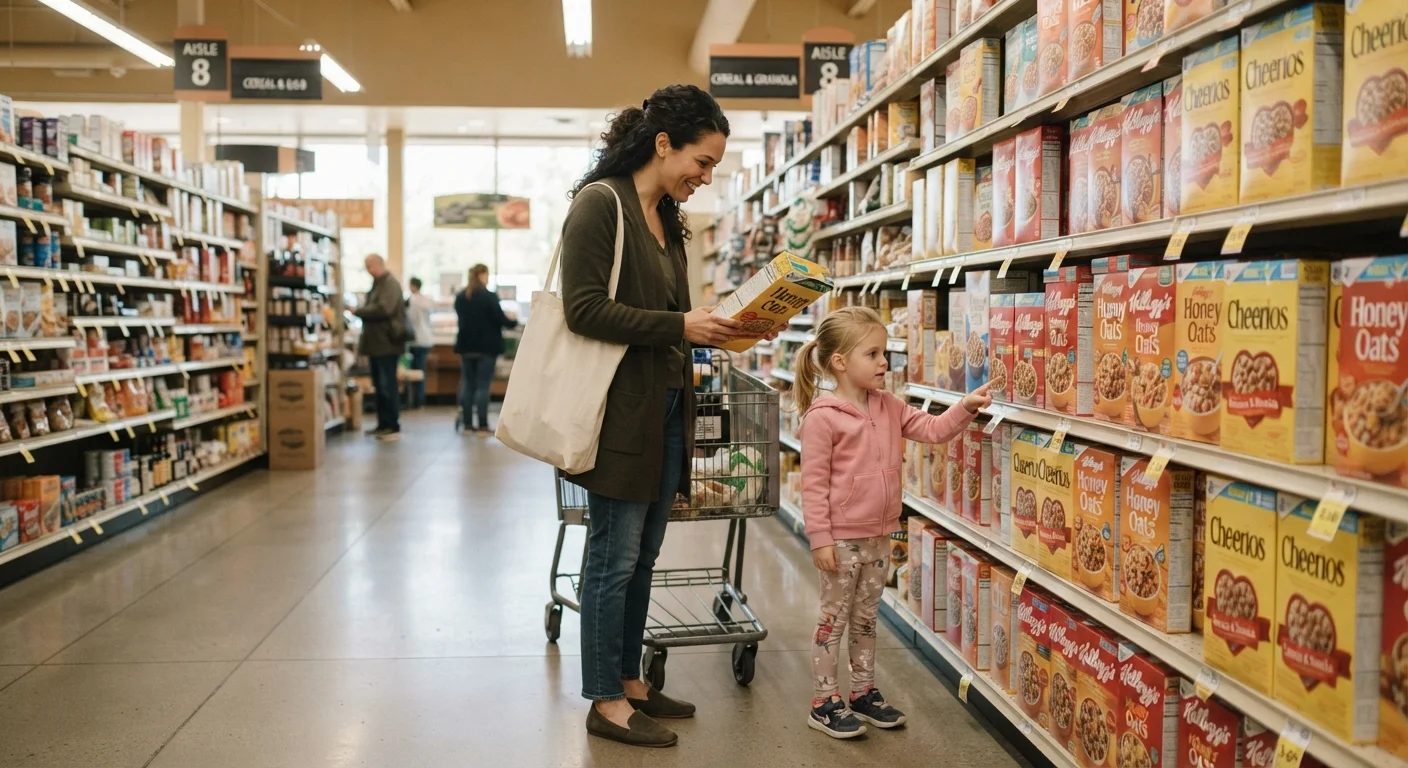
Photo: everythingtoday.com editorial
—— In This Article
Key Takeaways
- Children absorb shopping habits by watching adults, so narrating your own decisions costs nothing extra.
- Giving kids a small, defined role in a shopping task builds decision-making skills faster than a lecture.
- Needs versus wants is a concept children can grasp early when it comes up naturally in context.
- Consistent, brief conversations at the store work better than formal money lessons held at home.
- Setting a simple budget for a child's contribution to the cart gives them real practice with trade-offs.
Why the store is better than a classroom
Abstract money concepts stick poorly when taught in isolation. A child who hears "we need to stay on budget" at the dinner table gets a sentence. The same child who watches a parent put back a bag of chips because it would push the total over a set amount gets a demonstration. That difference matters.
Shopping trips are repetitive, low-stakes, and full of real decisions. That combination makes them useful. The goal is not to deliver a lecture at every aisle but to let children observe and occasionally participate in the thinking you already do.
For families working to stretch every dollar, this approach has a side benefit: involving children tends to reduce impulse requests because kids who understand the constraints are less likely to treat the cart as a wish list. See also age-by-age approaches to money awareness for how to match conversations to your child's developmental stage.
Practices that work without the pressure
The practices below are drawn from broadly accepted approaches in consumer education and family financial literacy. None require special tools or prep time.
Think out loud when comparing prices or choosing between options
Children cannot see the mental work that goes into a purchase decision unless an adult narrates it. A brief comment like "this one costs less per ounce, so we'll go with it" gives children a model to internalize over time.
Give children a specific, bounded task rather than open-ended involvement
"Help me shop" is vague and leads to distraction. A clear task gives a child agency within a defined scope and keeps the trip moving. It also builds comparison and evaluation skills without turning the errand into a negotiation.
Name the needs-versus-wants distinction in the moment, not in the abstract
Children learn this concept faster when it applies to something in front of them. Pointing to a specific item and saying "that's a want, and wants go on a birthday list" connects the idea to something concrete.
Let children experience a small, consequence-free spending mistake
Learning that a purchase was not worth it is more durable than being told not to buy something. A low-cost mistake with personal money is an experience a child will remember and reference later.
Connect grocery choices to nutrition and value together
Price and quality are not always in opposition. Helping children see that a less processed, less expensive item can be a better overall choice builds a more complete sense of value than price-only thinking. Common grocery habits can reduce nutritional quality without families noticing.
Quick actions for your next trip
The best time to start is the next time you go to the store. Pick one of these and try it.
Handling the hard moments without derailing the trip
Children ask for things. That is not a problem to solve; it is a normal part of shopping with kids. The way a parent responds shapes how a child learns to handle wanting something they cannot have right now.
A short, honest explanation works better than distraction or a flat refusal. "That is not on our list today because we planned for dinner items" gives a child real information. It models the fact that spending is a series of choices, not a random gate controlled by adults.
When a child is old enough to hold a few dollars, letting them decide how to spend a small, fixed amount on a non-essential item puts the lesson in their hands. They will weigh options, feel the constraint, and occasionally regret a choice. That cycle is exactly how the habit builds.
For families who want a more structured approach to pre-trip planning, this family shopping prep checklist covers how to reduce impulse purchases and stay on budget before you walk in the door. And if you want to go further with cost-cutting tools, a practical couponing system for busy families lays out a method that does not require hours of prep.
Shopping habits formed in childhood tend to persist. The point is not perfection on any single trip but consistency over hundreds of ordinary ones. Sustainable frugality works the same way for adults: small, repeated choices compound over time.

Shopping Editorial Team
Shopping Editorial Team is the collective byline for our editorial team and contributor network. Articles published under this byline or an editorial pen name are researched, written, and reviewed according to our editorial standards for clarity, consistency, and independence before publication.
View author profile