
Plant Protein vs. Animal Protein for Growing Kids
How do plant and animal proteins compare for children's nutritional needs? A balanced look at quality, cost, and practical family meal planning.
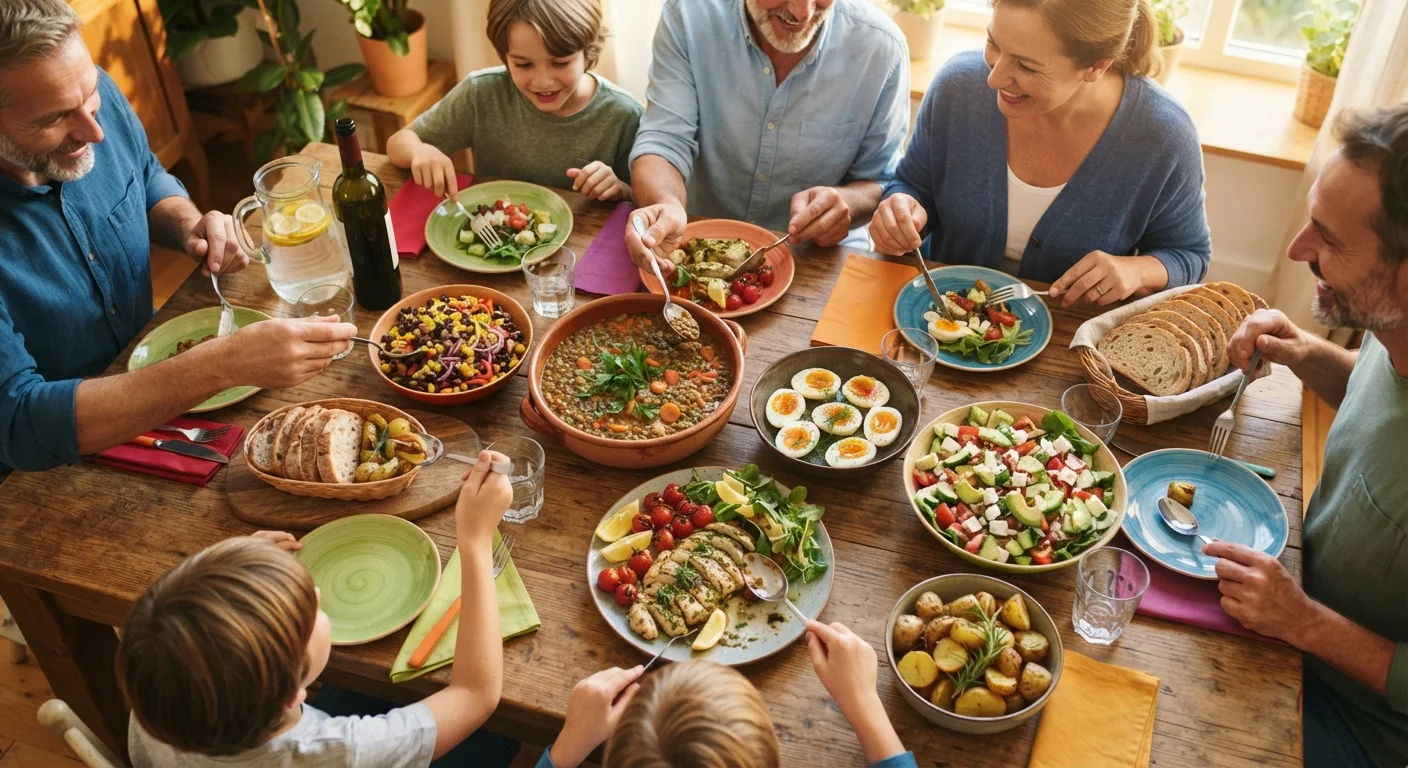
Photo: everythingtoday.com editorial
—— In This Article
Key Takeaways
- Animal proteins supply all essential amino acids in one food; most plant proteins need to be combined across the day.
- Plant proteins from beans, lentils, and tofu typically cost less per gram of protein than most meat options.
- Children on fully plant-based diets need reliable sources of vitamin B12, iron, zinc, and calcium.
- Eggs and canned fish give families affordable animal protein with strong nutrient profiles.
- A mixed approach using both plant and animal proteins often meets children's needs at the lowest overall cost.
What children actually need from protein
Protein supplies the amino acids children use to build muscle, produce enzymes, and support immune function. The USDA Dietary Guidelines identify nine essential amino acids that the body cannot make on its own. Animal proteins (meat, poultry, fish, eggs, and dairy) contain all nine in adequate amounts in a single food. Most plant proteins are low in at least one essential amino acid, which is why variety across the day matters for children eating primarily plant foods.
The Academy of Nutrition and Dietetics notes that well-planned plant-based diets can meet children's protein needs when total intake is sufficient and food variety is broad. The word "planned" carries real weight here. A child eating only white rice and a few vegetables will not get enough of several amino acids, even if total calories are adequate. See our guide to nutrient density for a practical framework on how to think about protein quality alongside other nutrients.
| Criterion | Plant Protein | Animal Protein |
|---|---|---|
| Complete amino acid profile | Most sources incomplete; soy is the exception | Complete in all animal-source foods |
| Typical cost per protein gram | Lower (beans, lentils, tofu) | Variable; eggs and canned fish are affordable |
| Vitamin B12 | Absent; fortified foods or supplement needed | Naturally present |
| Iron absorption | Non-heme; lower absorption rate | Heme iron in meat; higher absorption rate |
| Fiber content | High in legumes and whole grains | None |
| Meal prep flexibility | Batch-cook friendly; long shelf life (dried) | Versatile; shorter storage window for fresh cuts |
| Child acceptance | Variable; texture can be a barrier | Generally high for eggs, ground meat, cheese |
Cost per gram: where each source lands
Dried lentils and canned beans consistently deliver protein at lower cost per gram than chicken breast, ground beef, or fish fillets. A one-pound bag of dried black beans typically yields around 100 grams of protein after cooking, at a cost well below most meat cuts per equivalent protein serving. Eggs sit in the middle: affordable, complete in amino acids, and accepted by most children. Canned sardines and canned tuna also offer competitive cost-per-gram values with strong micronutrient profiles.
The week of meals from one pound of dried beans article shows exactly how far a single purchase can stretch across lunches, dinners, and sides. For families managing a tight weekly grocery budget, anchoring protein around beans, lentils, and eggs while using smaller portions of meat as a flavor component (rather than the main event) often brings costs down without sacrificing nutritional adequacy.
~$0.05
Cost per gram of protein from dried lentils
USDA food cost data shows dried lentils and beans regularly fall below $0.10 per gram of protein, making them among the most affordable sources available.
2-3x
Absorption advantage of heme iron over non-heme
The National Institutes of Health notes that heme iron from meat absorbs at roughly two to three times the rate of non-heme iron found in plant foods.
10-30g
Daily protein needs for school-age children
USDA Dietary Reference Intakes set protein needs at approximately 19-20g per day for ages 4-8 and around 34g for ages 9-13, varying by weight and activity.
Micronutrients that require attention
The protein quantity comparison is only part of the picture for growing children. Several micronutrients are found in much higher concentrations, or more absorbable forms, in animal foods.
- Vitamin B12 is found almost exclusively in animal products. Children on fully plant-based diets need a reliable B12 source, whether fortified foods or a supplement discussed with their pediatrician.
- Heme iron, the form found in red meat and poultry, absorbs two to three times more readily than the non-heme iron in legumes and leafy greens. Pairing non-heme iron sources with vitamin C improves absorption meaningfully.
- Zinc is present in both lentils and meat, but phytates in legumes reduce zinc absorption. Soaking or sprouting beans lowers phytate content.
- Calcium matters greatly during childhood bone development. For children avoiding dairy, calcium sources beyond dairy are worth exploring systematically.
Children with specific health conditions, absorption concerns, or restricted diets should be evaluated by a registered dietitian or pediatrician before making major dietary changes. This article is general nutrition education, not medical advice.
Putting both on the plate: a practical family approach
Most families do not need to choose one category exclusively. A meal plan that builds around dried beans and lentils on several nights, uses eggs at breakfast or lunch, and includes a modest portion of meat or fish two to three times per week covers protein needs at a manageable cost. The full meal planning guide walks through how to structure a week using this kind of mixed strategy.
For plant proteins specifically, pairing is straightforward in practice without requiring precise calculation. Rice and beans, peanut butter on whole-grain bread, and hummus with whole-wheat pita each provide a complementary amino acid spread across a meal or day. Tofu and edamame (soy-based) are the plant exceptions: they contain all nine essential amino acids at levels comparable to animal protein. For families exploring more plant-centered cooking, planning meals around pantry staples and sales can help reduce food waste while keeping variety high.
This article is for general informational and educational purposes only and is not a substitute for advice from a qualified healthcare professional or registered dietitian.

Nutrition Editorial Team
Nutrition Editorial Team is the collective byline for our editorial team and contributor network. Articles published under this byline or an editorial pen name are researched, written, and reviewed according to our editorial standards for clarity, consistency, and independence before publication.
View author profile