
Raised Garden Beds vs. In-Ground Planting: What Actually Costs Less Over Time
A clear-eyed look at setup costs, maintenance, and long-term value for raised beds versus traditional in-ground garden plots.
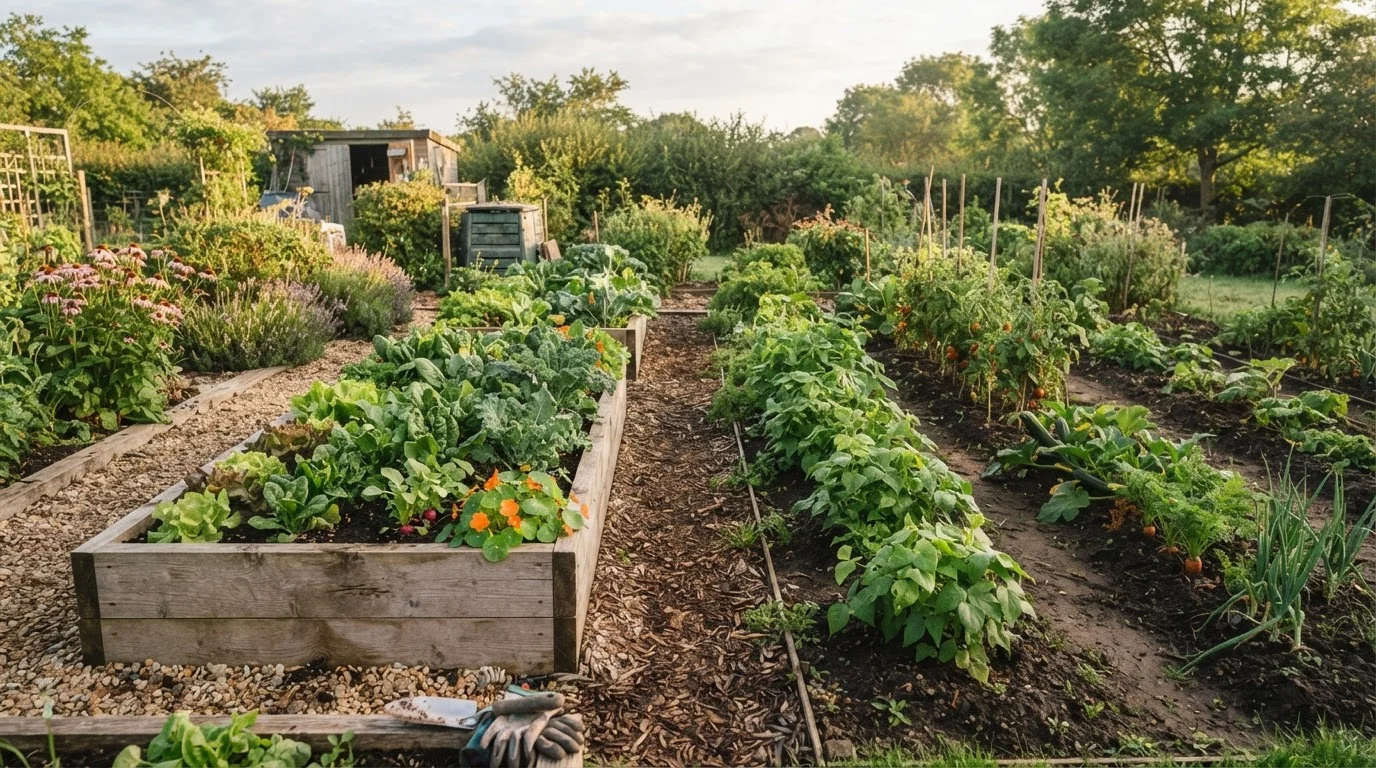
Photo: everythingtoday.com editorial
—— In This Article
Key Takeaways
- Raised beds cost significantly more to set up but can reduce long-term soil amendment and pest expenses.
- In-ground plots have almost no upfront cost but may require years of soil improvement before yields improve.
- Lumber, soil, and hardware are the biggest variables in raised bed budgets and can swing costs widely.
- Water use and weed control tend to favor raised beds in the short term.
- Your existing soil quality is the single most important factor in deciding which approach pays off faster.
What you pay to get started
In-ground planting has the lowest possible barrier to entry. If your soil is workable, you can turn over a patch of lawn, add some compost, and plant the same week. The only costs are seeds, transplants, and whatever amendments your soil needs. A basic soil test (often available through cooperative extension programs for a small fee) can tell you exactly what you lack before you spend money guessing.
Raised beds involve real upfront spending. A single 4x8-foot cedar or pine frame, filled with a quality planting mix, can cost anywhere from $100 to over $300 depending on lumber prices and how deep you build it. Multiply that across several beds and the startup figure climbs fast. Salvaged lumber, cinder blocks, or untreated logs can reduce costs, though each material comes with its own longevity trade-offs.
Container gardening sits at a different cost point entirely if space is genuinely limited, but for most families choosing between beds and ground plots, the setup gap is the first number to reckon with.
| Criterion | Raised garden beds | In-ground planting |
|---|---|---|
| Upfront cost | Moderate to high ($100-$300+ per bed) | Low (soil amendments only) |
| Soil control | Full control from day one | Dependent on native soil quality |
| Time to usable garden | Immediate after filling | Weeks to years, depending on soil |
| Weed pressure | Lower, especially early on | Higher, requires regular weeding |
| Water retention | Dries faster, may need more water | Holds moisture longer in most soils |
| Long-term structural cost | Ongoing (lumber replacement) | None after initial setup |
| Accessibility | Can be built to any height | Requires bending to ground level |
| 10-year cost per sq ft | Generally higher | Generally lower with good soil |
Soil, water, and annual upkeep
The cost gap between the two methods narrows over time, but it does not disappear. In-ground soil improves gradually if you add organic matter each season. That process is slower with compacted or clay-heavy soil, and it can take two to four years before yields reflect the work. Composting your kitchen and yard scraps speeds this up at little direct cost. Our guide on composting at home covers realistic timelines and what the process actually demands.
Raised beds drain well and warm up faster in spring, which generally means better germination rates and fewer losses to root rot. However, that same drainage means raised beds can dry out faster. Depending on your climate, supplemental watering costs can be higher with raised beds than with in-ground plots that hold moisture more reliably.
Weed pressure is one area where raised beds hold a consistent advantage. Imported soil mix starts clean, and weed seeds from surrounding areas take time to establish. In-ground plots often require more frequent weeding, especially in the first few seasons.
$150-$300
Typical cost to fill one 4x8 raised bed
Blended planting mixes of topsoil, compost, and other amendments account for most of this range, varying by region and material quality.
5-7 years
Average lifespan of untreated pine frames
Cedar and composite frames typically last longer, but cost more upfront, affecting the break-even calculation for most households.
2-4 seasons
Time to meaningfully improve heavy clay soil in-ground
Consistent organic matter additions each year can rebuild soil structure, though the timeline depends on starting conditions and climate.
Long-term value and the break-even question
Raised bed materials do not last forever. Untreated pine may need replacing in five to seven years. Cedar lasts longer, often ten or more years, but costs more upfront. Composite or metal frames can last longer still. Whatever material you choose, factor replacement into your per-year cost estimate rather than treating construction as a one-time expense.
In-ground plots have no structural costs after year one. If you are gardening on a single property for a decade or longer, and you invest consistently in soil health, the per-square-foot cost of in-ground production is typically lower than raised beds over that span. Perennial crops make this advantage more pronounced. Plants like asparagus, rhubarb, or established berry bushes cost nothing to replant each year. See our list of low-maintenance perennials for varieties that hold up well with minimal care.
One cost families sometimes miss: if you move or stop gardening, a raised bed frame has zero resale value in most cases, while an improved in-ground plot adds a measurable quality to the soil you leave behind.
Neither method is automatically the right answer. Your soil quality, your physical needs, your timeline, and the lumber prices in your area all shape which one actually costs less for your household. Run the numbers for your specific setup before committing materials.

Home & Garden Editorial Team
Home & Garden Editorial Team is the collective byline for our editorial team and contributor network. Articles published under this byline or an editorial pen name are researched, written, and reviewed according to our editorial standards for clarity, consistency, and independence before publication.
View author profile