
Container Gardening on a Tight Budget
Grow vegetables, herbs, and flowers in containers without overspending. Learn which vessels work, what soil to use, and how to keep costs low.
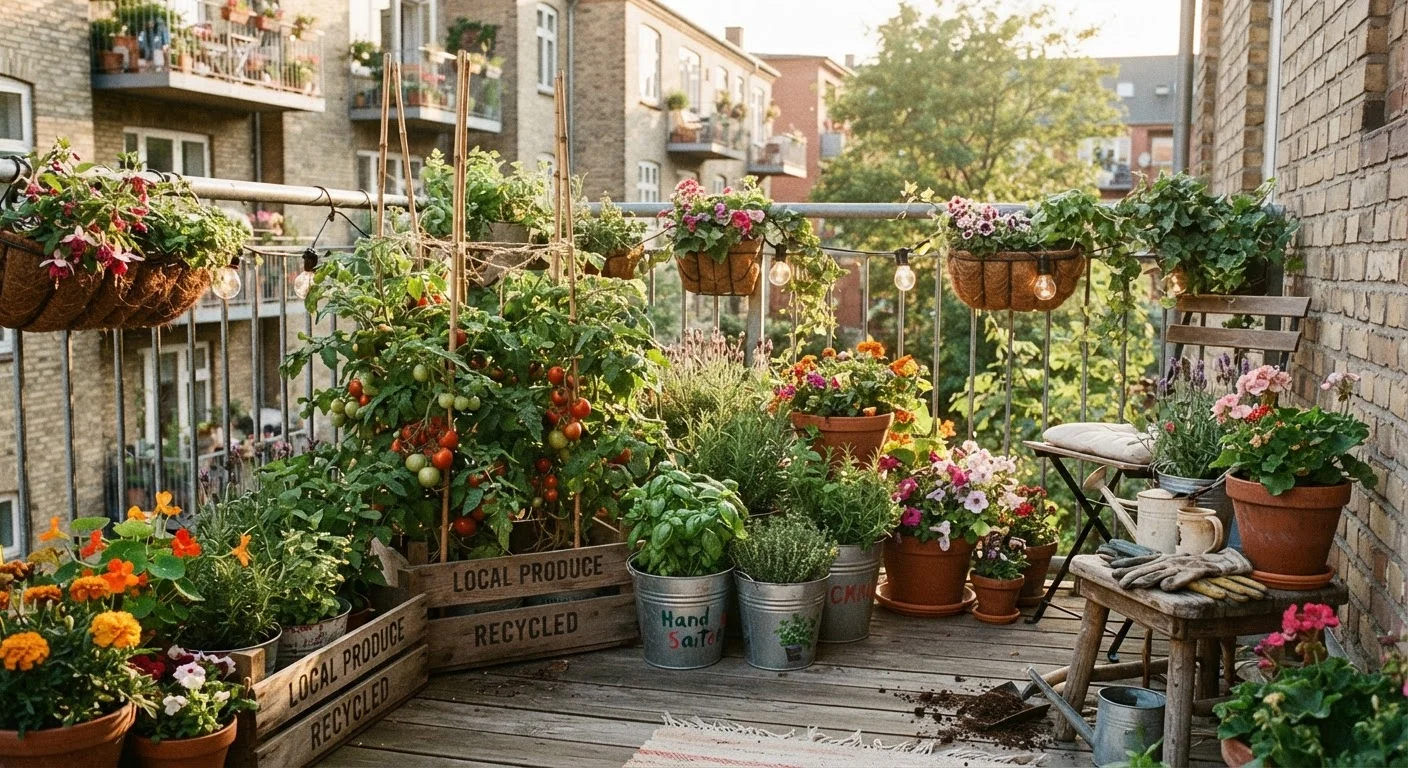
Photo: everythingtoday.com editorial
—— In This Article
Key Takeaways
- Many household items work as containers; you don't need to buy new pots.
- Potting mix outperforms garden soil in containers because it drains better.
- Herbs, lettuce, and cherry tomatoes give high yield relative to container space.
- Watering consistency matters more than fertilizer frequency for container plants.
- Starting from seed costs far less than buying transplants at a nursery.
Choosing containers without spending much
The container itself is often where beginner gardeners overspend. Terracotta and decorative ceramic pots look appealing, but they are not necessary. Many common household items work just as well, and some work better.
Five-gallon buckets are one of the most practical options. They hold enough soil for tomatoes, peppers, or cucumbers, and hardware or paint stores sometimes give them away or sell them for very little. Wooden crates, laundry bins, large yogurt containers, and even old colanders have all been used successfully. The single requirement is drainage: water must be able to exit the bottom. Drill or punch a few holes if the vessel doesn't already have them.
Fabric grow bags are worth mentioning because they're lightweight and inexpensive, and the porous material allows air to reach roots, which prevents the overwatering problems that kill many container plants. They're available in a range of sizes and tend to cost less than comparably sized plastic pots.
If you want to understand how container costs compare to other garden setups, see our raised beds vs. in-ground planting comparison for a full breakdown.
Check local community groups first
Neighborhood groups, local buy-nothing communities, and yard sales are good sources for free or low-cost containers. People often give away pots they no longer need. A quick post asking for unwanted containers can result in more than enough material to get started.
Soil that works and what to skip
Soil is the one area where cutting corners hurts the most. Garden soil taken straight from your yard compacts in containers and drains poorly. Plants in compacted soil struggle to grow and are more likely to develop root rot.
Bagged potting mix is the reliable choice. It's formulated to stay loose inside a pot and drain water evenly. Larger bags cost less per cubic foot than smaller ones, so buying the largest bag that makes sense for your space saves money over time.
You can stretch potting mix further by blending in homemade compost, which also feeds plants as it breaks down. Our guide to composting at home covers what the process realistically involves and what it can save you in fertilizer costs.
One common mistake is filling a deep container entirely with potting mix. For containers deeper than 12 inches, placing lightweight filler material (like empty plastic bottles sealed with their caps) in the bottom few inches reduces the amount of potting mix needed without affecting plant performance for most crops.
Potting mix
A soil-free or low-soil blend designed for use in containers. It stays loose and drains well, which regular garden soil does not do when confined in a pot.
Drainage
The ability of water to flow out of a container rather than pooling at the bottom. Good drainage prevents root rot, which is one of the most common causes of container plant failure.
Direct sowing
Planting seeds directly into their final container rather than starting them in a tray indoors first. Many fast-growing crops like lettuce and radishes do well with direct sowing.
Grow bag
A soft, fabric container used in place of a rigid pot. The porous material allows excess water and air to pass through the sides, which benefits root health.
Compost tea
Water that has been steeped with finished compost to extract nutrients. It can be used as a liquid fertilizer and costs nothing if you already make compost at home.
What to grow for the most return
Not all plants give equal value in a container setup. Crops that produce over a long harvest window, or that would cost a noticeable amount at the grocery store, tend to deliver the most return for the space and effort.
Herbs are at the top of this list. Basil, cilantro, parsley, and chives grow well in small containers and can be harvested repeatedly. A single packet of herb seeds costs less than a bunch of the same herb at a store, and the plant keeps producing through the season.
Cherry tomatoes produce heavily in a five-gallon container with enough sun. Lettuce and salad greens can be grown in shallow containers and harvested leaf by leaf rather than all at once, which extends the harvest significantly. Radishes mature in about three to four weeks, making them a quick win that frees up the container for another crop.
If your household already does meal planning, pairing your container garden with what you cook regularly makes the most financial sense. Our family meal planning guide can help identify which fresh ingredients your household uses most.
Starting from seed rather than purchasing transplants cuts costs considerably. Peppers and tomatoes take longer from seed, but herbs, lettuce, and root vegetables can go directly into containers as seeds with no indoor setup required.
Keeping plants alive without extra costs
Container plants dry out faster than in-ground plants because the soil volume is smaller and exposed on all sides to air and heat. Checking soil moisture daily during warm weather is the most reliable approach. Press a finger about an inch into the soil; if it feels dry at that depth, water until it runs from the drainage holes.
Grouping containers together slows moisture loss because the plants create a slightly more humid microclimate around each other. Placing containers where they get afternoon shade during the hottest part of summer also reduces how often you need to water.
Fertilizing matters more in containers than in-ground because nutrients wash out with each watering. A diluted liquid fertilizer applied every two to three weeks during the growing season is enough for most crops. Homemade compost tea, made by steeping compost in water, works as a no-cost alternative.
For long-lived container plants like perennial herbs, our guide to low-maintenance perennials covers varieties that can stay in the same container for multiple seasons with minimal care.
Frequently Asked Questions

Home & Garden Editorial Team
Home & Garden Editorial Team is the collective byline for our editorial team and contributor network. Articles published under this byline or an editorial pen name are researched, written, and reviewed according to our editorial standards for clarity, consistency, and independence before publication.
View author profile