
Lawn Care Myths That Cost American Homeowners Money
From daily watering to autumn fertilizing, many common lawn habits are based on misconceptions. Find out what the evidence actually says.
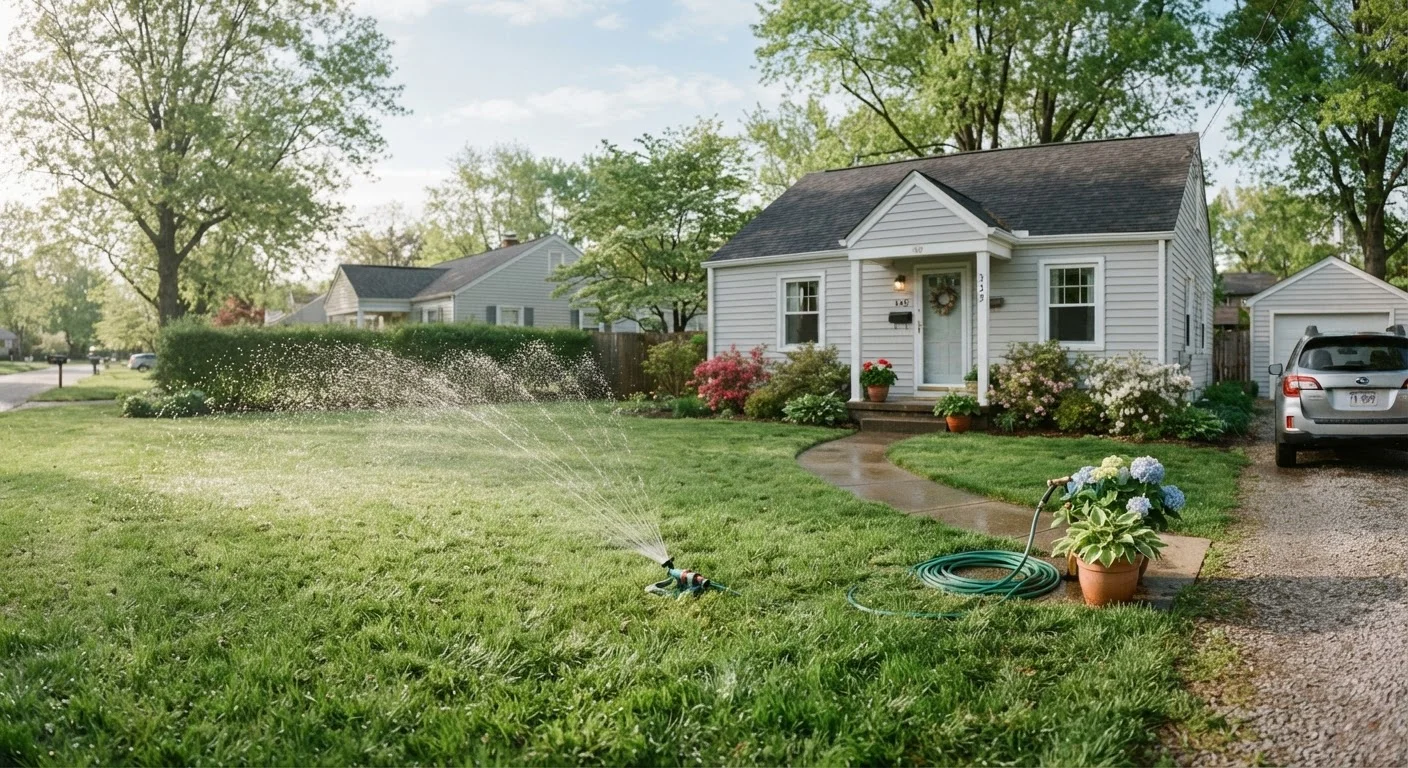
Photo: everythingtoday.com editorial
—— In This Article
Key Takeaways
- Daily watering weakens grass roots and raises water bills unnecessarily.
- Cutting grass very short stresses the lawn and invites weeds.
- Autumn fertilizing schedules depend on grass type, not a single universal rule.
- Grass clippings left on the lawn return nutrients to the soil for free.
- Soil testing before buying amendments can save significant money each year.
Why lawn myths cost real money
Lawn care advice gets passed down from neighbors, misremembered from old product labels, and repeated until it sounds like fact. The problem is that several of the most common practices increase water bills, waste fertilizer, and weaken the grass they are supposed to help. Correcting even two or three of these habits can put a noticeable dent in what a household spends on the yard each season.
If you are also trying to cut costs in the garden itself, the composting guide covers another low-cost way to feed your soil without buying bags of amendments every spring.
Myth
Watering your lawn every day keeps it green and healthy.
Fact
Frequent shallow watering produces weak, shallow roots. Most lawns do better with one or two deep watering sessions per week.
When water is always available near the surface, grass roots have no reason to grow deeper. Shallow roots make the lawn more vulnerable to heat and drought, meaning you end up watering even more to compensate. Watering deeply but less often encourages roots to follow moisture further into the soil, where temperatures are more stable. A general target for established cool-season grass is about one inch of water per week, including rain. Measuring with a simple rain gauge or a straight-sided container during a sprinkler cycle removes the guesswork and prevents overwatering, which is also the leading cause of lawn fungal problems.
Myth
Cutting grass as short as possible means you mow less often.
Fact
Scalping the lawn stresses the grass, depletes root energy reserves, and creates openings for weeds to take hold.
Grass blades are where photosynthesis happens. Remove too much at once and the plant pulls energy from its roots to regrow, weakening the overall stand. A stressed lawn also has thinner coverage, which gives weed seeds the light and space they need to germinate. The standard guidance from university extension programs is to follow the one-third rule: never remove more than one-third of the blade height in a single mowing. Mowing more frequently at a higher setting produces a denser, healthier lawn that naturally crowds out weeds, reducing herbicide spending over time.
Myth
You should bag grass clippings to keep the lawn tidy and disease-free.
Fact
Leaving clippings on the lawn returns nitrogen and other nutrients to the soil, acting as a free, slow-release fertilizer.
Grass clippings are roughly 4% nitrogen by dry weight. When left on the lawn after mowing, they break down quickly and feed the grass without any additional product. This practice, sometimes called grasscycling, can reduce the amount of synthetic fertilizer a lawn needs by an estimated 25%, according to research from several state cooperative extension programs. Clippings only cause thatch problems when they are thick and wet, which happens when mowing is delayed too long. Mowing on a regular schedule at the right height keeps clippings short enough to fall between blades and decompose within days.
Myth
Fall is the right time to fertilize every lawn in America.
Fact
The best fertilizing schedule depends on whether your grass is a cool-season or warm-season variety, and those two types have opposite timing needs.
Cool-season grasses (fescues, bluegrass, ryegrass) grow most actively in spring and fall, so a fall application does support them going into winter. Warm-season grasses (Bermuda, zoysia, St. Augustine) go dormant in fall and cannot use fertilizer applied at that time. Feeding a dormant warm-season lawn in autumn wastes product and can encourage late growth that is vulnerable to frost damage. Warm-season grasses are better fertilized in late spring and summer, when they are actively growing. Applying fertilizer at the wrong time does not just waste money; it can also contribute to nutrient runoff into local waterways.
Myth
More fertilizer produces a greener lawn faster.
Fact
Excess fertilizer burns grass, harms soil biology, and sends unused nutrients into groundwater.
Nitrogen applied above what the grass can absorb draws water out of plant cells through osmosis, causing the brown, scorched patches known as fertilizer burn. Beyond the visible damage, surplus nutrients leach through the soil into groundwater or run off into storm drains. Both outcomes cost money: you pay for product that does no good and may pay again to repair burned patches. A soil test tells you the actual nutrient levels in your yard, so you apply only what is missing. Many cooperative extension offices offer soil testing at low or no cost, and the results typically include specific application rate recommendations for your grass type.
Habits worth reconsidering before next season
The myths above share a pattern: more inputs do not always mean better results. Grass is a plant with specific needs, and overshooting those needs costs money without producing a healthier lawn. A basic soil test, available through many cooperative extension offices for a small fee, can tell you exactly what your lawn lacks before you spend anything on fertilizer or lime. That single step eliminates the guesswork that drives most unnecessary purchases.
Mowing height is another area where changing one setting on your mower costs nothing but pays off over an entire season in reduced watering and fewer weed problems. Most cool-season grasses (Kentucky bluegrass, tall fescue, perennial ryegrass) do well when left at 3 to 4 inches. Warm-season varieties like Bermuda and zoysia tolerate shorter cuts, but even they suffer when scalped repeatedly.
For households thinking beyond the lawn, comparing raised beds to in-ground planting is a useful next step for anyone budgeting a garden expansion. The same evidence-first approach applies: know your soil, know your climate, and spend only on what your specific situation actually needs.
Fertilizer timing errors can damage your lawn
Applying fertilizer to a dormant warm-season lawn in autumn can trigger late growth that frost will kill, leaving dead patches going into winter. Always confirm your grass type before choosing a fertilization schedule. If you are unsure, your local cooperative extension office can identify your grass and provide regional timing guidance at little or no cost.

Home & Garden Editorial Team
Home & Garden Editorial Team is the collective byline for our editorial team and contributor network. Articles published under this byline or an editorial pen name are researched, written, and reviewed according to our editorial standards for clarity, consistency, and independence before publication.
View author profile