
What First-Time Family Travelers Consistently Get Wrong About Packing and Logistics
From overpacking to skipping travel insurance, these are the planning errors that derail first-time family trips and how to sidestep them.
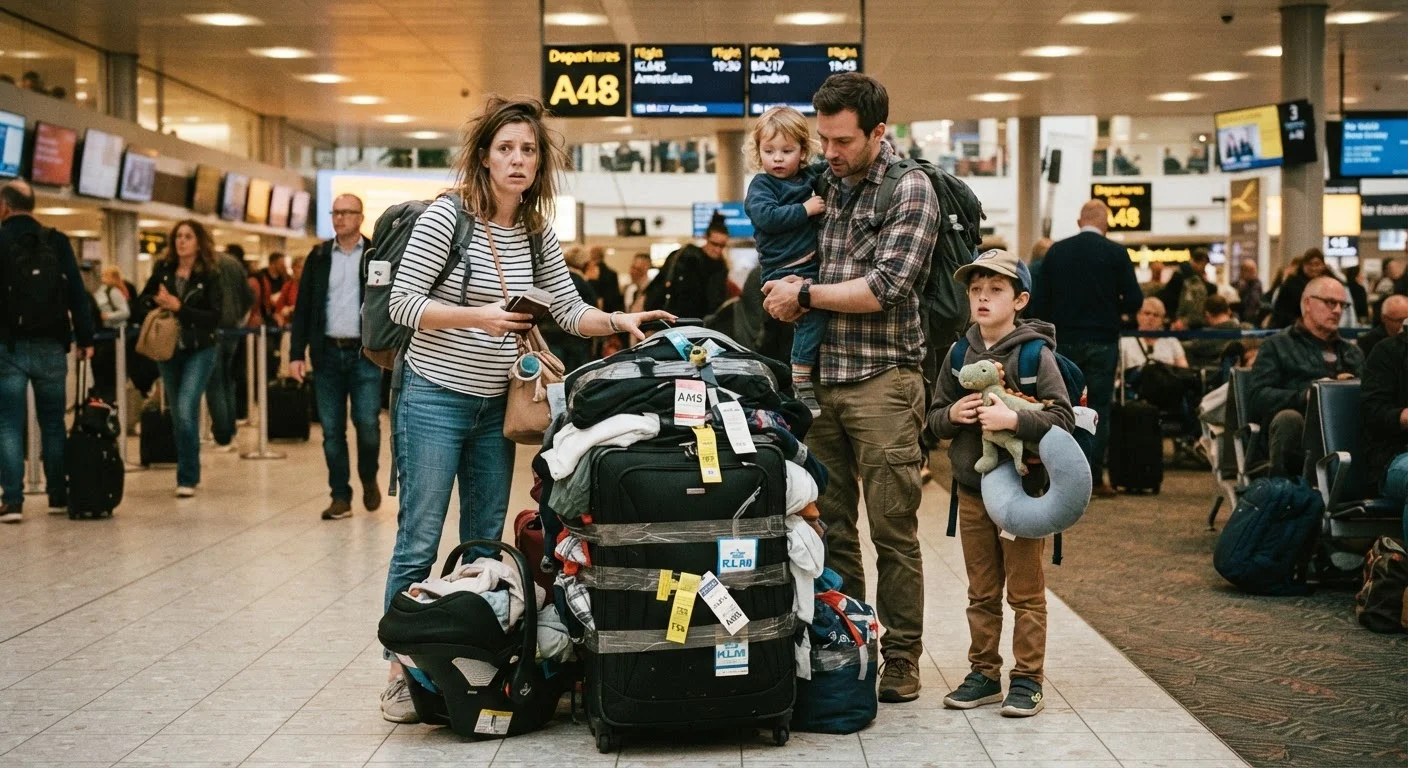
Photo: everythingtoday.com editorial
—— In This Article
Key Takeaways
- Overpacking costs families real money in checked bag fees and slows down every airport transition.
- Skipping travel insurance on a family trip can turn a minor illness into a major financial loss.
- Building zero buffer time into an itinerary guarantees stress when something goes wrong.
- Booking accommodations without kitchen access forces families into expensive restaurant meals every day.
- Shoulder season travel often delivers lower prices and smaller crowds without sacrificing the experience.
Why packing mistakes hit family budgets hardest
Overpacking is not just a physical inconvenience. It translates directly into airline baggage fees, slower airport transitions, and luggage that children cannot manage independently. First-time family travelers often pack as though they need to be self-sufficient for every scenario, which means bags fill up fast and fees stack up at the check-in counter.
Airline baggage fees add up fast for families
Many domestic and international carriers charge per bag, per person, each way. A family of four checking two bags each on a round trip can easily spend $300 or more in fees alone. Check baggage policies before booking and weigh whether a slightly pricier fare on a carrier with included bags actually saves money overall.
A more practical approach is to start with a firm bag limit and work backward. Assign each family member, including children old enough to carry their own, a single carry-on or one checked bag maximum. Then apply the family vacation planning checklist to cross off items that duplicate what the destination hotel or rental will already supply, from hair dryers to beach towels.
Families headed out on longer drives face a different version of the same trap. Road trip planning requires thinking about what actually fits in the vehicle versus what looks reasonable laid out on a bedroom floor.
The logistics errors that cost the most money
Packing for every possible scenario instead of the most likely ones.
Why it happens: Parents worry about being caught unprepared, so they pack 'just in case' items that multiply quickly across multiple kids' bags.
Skipping travel insurance because the trip seems low-risk.
Why it happens: First-time family travelers often assume insurance is for international or adventure travel, not a beach trip to Florida or a theme park vacation.
Scheduling activities back to back with no buffer time.
Why it happens: Families trying to maximize a limited number of vacation days naturally try to fill every hour, forgetting that kids slow transitions significantly.
Booking accommodations that have no kitchen or food storage.
Why it happens: Hotels look convenient and familiar, but families often underestimate how quickly three restaurant meals a day adds up across multiple nights.
Traveling during peak season because that is when school is out.
Why it happens: Most families default to summer and holiday breaks without realizing that shoulder season windows exist around the school calendar.
Ignoring the logistics of traveling with car seats, strollers, and gear.
Why it happens: Parents focus on destination planning and forget that transporting large items through airports, rental car counters, and unfamiliar transit systems takes extra time and effort.
Each of these mistakes has a cost attached, whether measured in dollars spent or time lost. The good news is that most are avoidable with planning that happens weeks before departure, not at the airport gate.
Travel insurance is not optional for families
A single medical evacuation abroad can cost tens of thousands of dollars out of pocket. For families traveling with young children or anyone with a preexisting condition, the financial exposure from skipping travel insurance is substantial. Compare policy options carefully and read the fine print on cancellation and medical coverage before you commit to any plan.
For families newer to trip planning, this starter guide for family trip planning covers the foundational decisions that shape every other budget choice, from accommodation type to booking timing. And if you have heard that affordable family travel means sacrificing fun, common myths about cheap family travel addresses those assumptions directly.

Travel Editorial Team
Travel Editorial Team is the collective byline for our editorial team and contributor network. Articles published under this byline or an editorial pen name are researched, written, and reviewed according to our editorial standards for clarity, consistency, and independence before publication.
View author profile