
National Parks vs. Theme Parks: Where Does Your Family Vacation Dollar Go Further?
A side-by-side look at the real costs, experiences, and trade-offs of national park trips versus theme park vacations for American families.
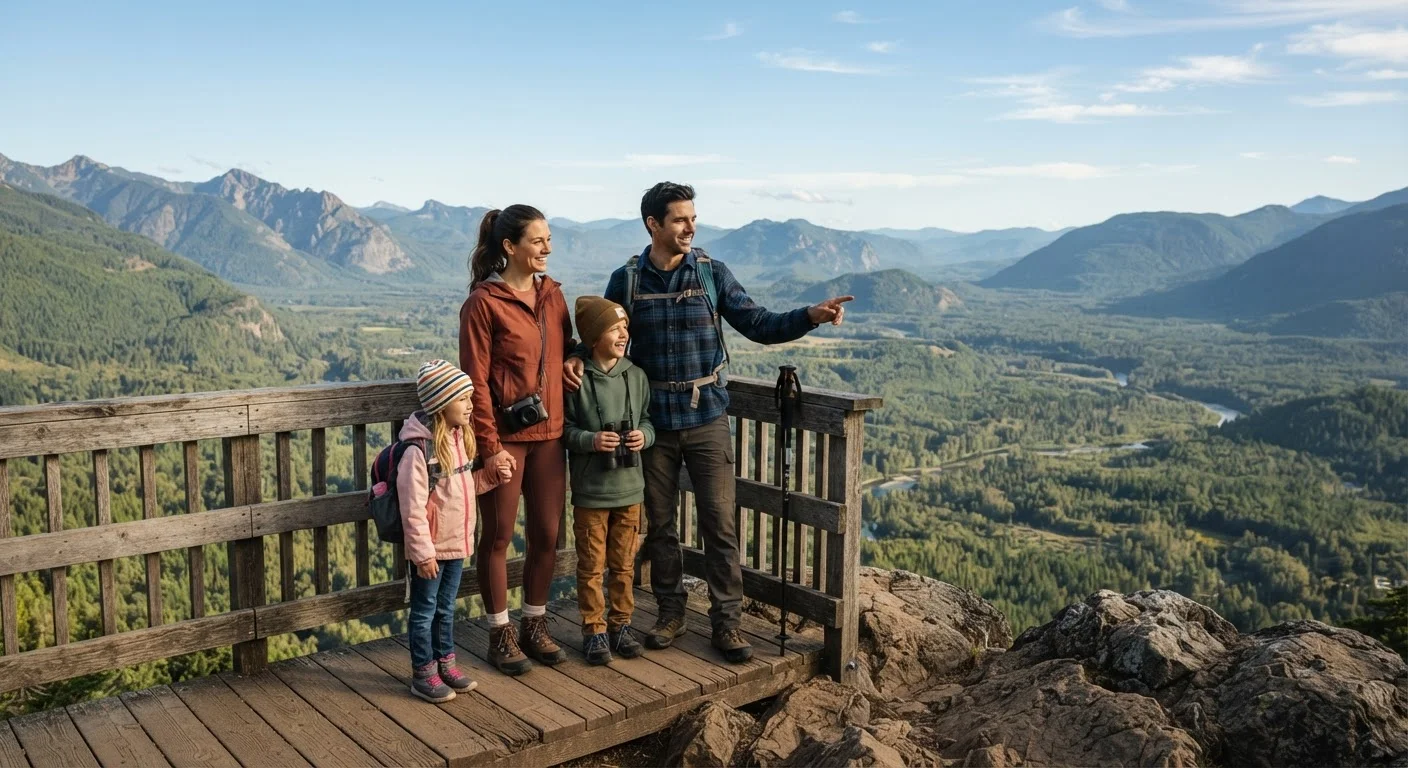
Photo: everythingtoday.com editorial
—— In This Article
Key Takeaways
- A national park annual pass covers entry to over 400 federal sites for one flat fee, making it cost-effective for families who visit more than once.
- Theme park costs compound quickly once food, parking, and lodging near the park are added to ticket prices.
- National parks reward flexible, self-directed families; theme parks deliver a more predictable, scheduled experience.
- Lodging choices near either destination can be the single biggest budget lever families have.
- Both vacation types offer genuine value depending on what a family actually wants from their trip.
Breaking down what each vacation actually costs
Entry costs are the starting point, not the whole picture. The America the Beautiful annual pass, sold by the National Park Service, covers one vehicle's entry to over 400 federal lands for a flat fee. For a family of four visiting even two parks in a year, the per-visit math works in their favor. Individual park passes at many popular sites run between $20 and $35 per vehicle.
Theme park pricing works differently. Per-person daily tickets at large parks routinely exceed $100, and prices vary by date. A family of four attending for two days can spend $600 to $900 on admission alone before touching food or parking. Parking fees at major parks typically add $25 to $50 per day. In-park meals average $15 to $20 per person per meal at counter-service locations.
Campground fees inside national parks range widely, from under $20 per night at basic sites to $50 or more at sites with hookups. Hotels near major theme parks in Florida and California frequently price at $200 or more per night in peak periods. That lodging gap is often the deciding factor for budget-conscious families. For more on keeping lodging costs manageable, the family travel budget starter guide covers the core decisions.
| Criterion | National Parks | Theme Parks |
|---|---|---|
| Entry cost (family of 4) | $20-$35 per vehicle or $80 annual pass | $100+ per person per day |
| Lodging options | Campgrounds from under $20/night | Hotels typically $150-$300+/night nearby |
| Food flexibility | Pack your own meals easily | Outside food often restricted |
| Planning complexity | Moderate (reservations at busy parks) | High (tickets, times, itinerary) |
| Age range suitability | All ages, including toddlers | Best for school-age children and teens |
| Replayability | High (seasons, new trails) | Lower once rides are experienced |
| Typical 4-day family total | $400-$800 all-in | $2,000-$4,000+ all-in |
The experience each vacation actually delivers
National parks are unstructured by design. Families choose their own pace, pick trails by difficulty, and can spend an hour or a full day at any given spot. That flexibility suits families with children at different ages and fitness levels. Programs like Junior Rangers give kids a structured goal without locking the whole group into a schedule.
Theme parks are the opposite: they run on a schedule. Rope drops, show times, and FastPass-style systems reward planning and early arrivals. Families who research in advance, download the park app, and build a rough itinerary typically have a noticeably better day than those who show up without a plan. The trade-off is that the day has a ceiling: once the rides are done, the experience is largely complete.
One real advantage of national parks that families underestimate is replayability. A park like Shenandoah or Rocky Mountain looks and feels different in spring versus fall, and trails can be revisited at different skill levels as children grow. If your family is building a habit of outdoor activity, gear rental versus ownership becomes a practical follow-on question.
What drives costs up at each destination
330+
National park sites in the U.S. system
The National Park Service manages over 400 units nationwide, spanning parks, monuments, seashores, and historic sites.
$80
Annual America the Beautiful pass cost
The pass covers entry for one vehicle to all federal lands charging entrance fees, sold through the National Park Service.
$6,000
Estimated average U.S. family theme park trip spend
NerdWallet's analysis of major theme park destinations has placed total family trip costs, including lodging and food, consistently above $5,000.
At national parks, the costs that surprise families most are food (bringing your own changes the equation entirely), equipment like tents and sleeping bags if you don't own them, and gas when the park is far from home. Crowding at the most popular sites, particularly Zion, Arches, and Glacier, has led to timed entry reservation systems that require advance planning or risk being turned away at the gate.
At theme parks, the add-on economy is substantial. Premium line-access products, character dining, after-hours events, and branded merchandise are designed to expand spending well past the ticket price. Families who set a firm per-person daily budget and agree to it before arriving tend to leave with fewer regrets. Buying tickets directly from park websites in advance, on non-holiday weekdays, generally yields lower prices than same-day purchases.
Families weighing a coastal alternative to either option can review coastal destination costs by region for a practical comparison.

Travel Editorial Team
Travel Editorial Team is the collective byline for our editorial team and contributor network. Articles published under this byline or an editorial pen name are researched, written, and reviewed according to our editorial standards for clarity, consistency, and independence before publication.
View author profile