Renting vs. Owning Recreational Gear: What Families Should Weigh
Bikes, camping kits, kayaks, ski equipment: when does renting save money over time, and when does owning make more sense for active families?
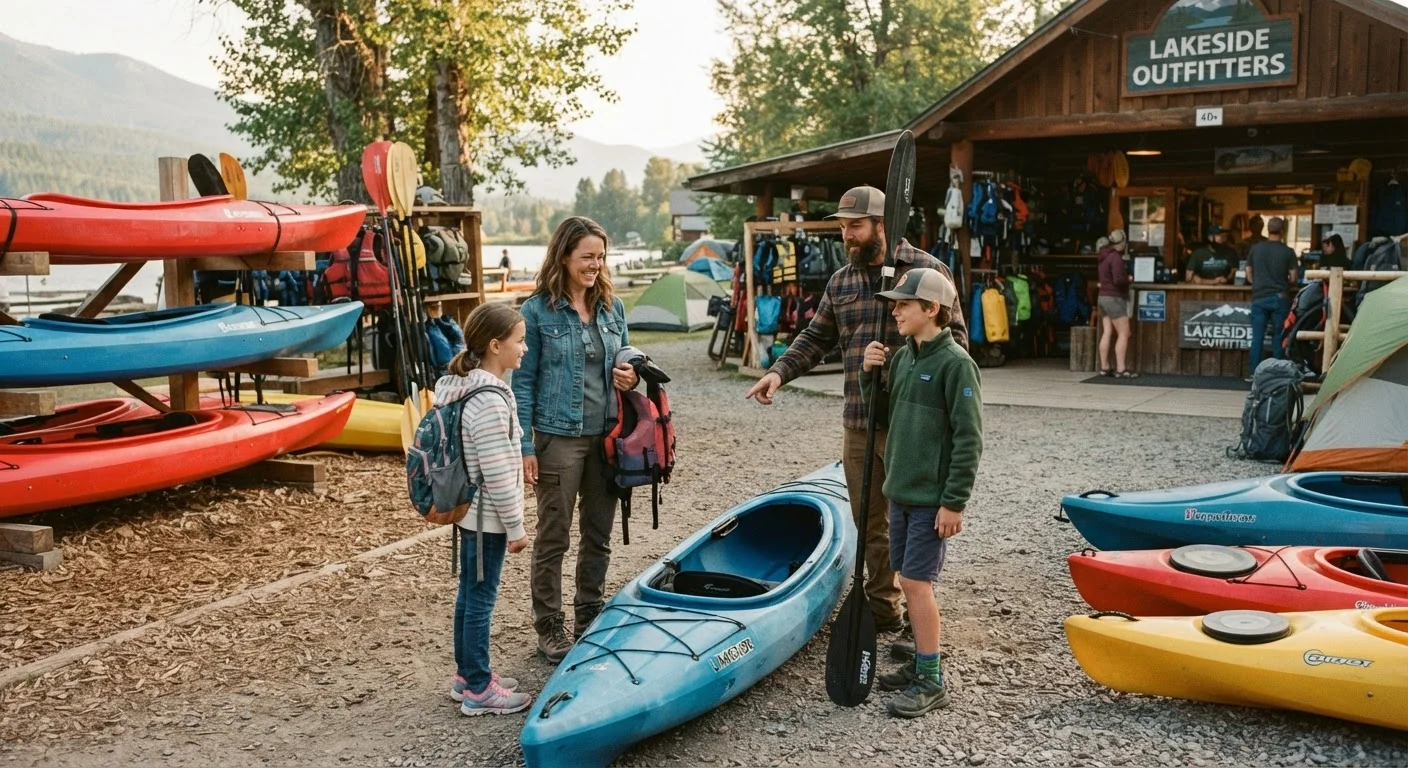
Photo: everythingtoday.com editorial
—— In This Article
Key Takeaways
- Frequency of use is the single most important factor in deciding whether to rent or own.
- Renting avoids upfront costs, storage demands, and maintenance responsibilities.
- Owning gear pays off over time for families who use it at least several times each year.
- Children's gear presents a special case because kids outgrow sizes quickly.
- Second-hand purchasing can close the cost gap between renting and owning for durable items.
How to think about the rent-or-own question
The framing that works for most families is simple: divide total cost by number of uses. A set of ski rentals at around $40 to $60 per person per day looks expensive until you realize that buying a quality set of skis, boots, and poles can run $600 or more per person, and that set needs storage, tune-ups, and eventual replacement. If your family skis once every two years, renting wins on pure math. If you ski five weekends each winter, ownership starts to look reasonable within a season or two.
That math shifts for different gear categories. Camping tents, sleeping bags, and cookware tend to hold up for years with minimal maintenance, so buying makes sense for families who camp regularly. Kayaks and paddleboards are bulky and expensive to transport, which adds hidden costs to ownership that rental fees don't carry. Bikes fall somewhere in between: a family that rides weekly in their neighborhood has every reason to own, while a family that only cycles during one annual vacation might spend less renting locally at the destination. For trip planning context, see our budget travel starter guide for how gear costs fit into a broader vacation budget.
One variable that often gets overlooked is opportunity cost. Money tied up in a kayak sitting in a garage for eleven months could sit in savings instead. That is not a reason to never own gear, but it is worth putting on the scale.
Where renting has the clearest advantage
Renting is most useful when three conditions overlap: infrequent use, gear that changes in fit or technology, and limited storage. Ski and snowboard equipment fits all three. Manufacturers update bindings and boot designs regularly, and many rental shops carry current models. Trying to stay current by buying new each season costs far more than renting.
Children's gear is the other clear case. A child who needs a size-3 ski boot in January will need a size-4 by the following winter. Rental programs handle that progression automatically, and many ski resorts and outfitters offer children's multi-day packages at a meaningful discount compared to adult rates. The same logic applies to bikes and helmets for younger kids.
Families who like variety also benefit from renting. If you want to kayak one summer and try stand-up paddleboarding the next, renting means you are not locked into owning equipment that may collect dust once the novelty wears off. Low-cost family activities often include access to rental gear through community programs or parks, which can bring rental costs down further.
| Criterion | Renting | Owning |
|---|---|---|
| Upfront cost | Low (pay per use) | High (full purchase price) |
| Long-term cost (frequent use) | Higher over time | Lower per use over time |
| Storage needed | None | Garage, shed, or storage unit |
| Maintenance responsibility | None | Owner handles or pays for repairs |
| Fit for growing children | Easy to adjust each season | Requires repurchasing as kids grow |
| Availability on peak days | Can be limited | Always on hand |
| Equipment freshness | Often current models | Ages unless upgraded |
When owning makes financial sense
Ownership rewards consistency. A family that camps eight to ten weekends per year is almost certainly spending more on campsite gear rentals than they would on a one-time purchase of a good tent and sleeping bags. Basic camping kits have long service lives when stored dry and clean, so the cost-per-use drops steadily with every trip.
Bikes are another strong case for ownership, specifically for families who ride regularly at home rather than only on vacation. A fleet of family bikes purchased thoughtfully, including through second-hand channels, can last many years. Second-hand shopping is worth considering for durable items like adult bikes and camping stoves, where condition is easy to assess and quality holds up well over time.
Owning gear also removes the logistical friction of pickup, reservation windows, and availability. During peak holiday weekends, rental shops can run short on popular sizes or equipment, which puts pressure on trip timing. Families who own gear set their own schedule.
It helps to think of ownership costs fully: initial purchase, any fitting or customization, storage, annual maintenance or repairs, and eventual replacement or resale. Gear that resells well, such as quality bikes or paddleboards, partially offsets the original purchase price and lowers the true cost of ownership. See this breakdown of membership costs for a similar approach to evaluating recurring versus upfront spending.

Lifestyle Editorial Team
Lifestyle Editorial Team is the collective byline for our editorial team and contributor network. Articles published under this byline or an editorial pen name are researched, written, and reviewed according to our editorial standards for clarity, consistency, and independence before publication.
View author profile