
What a Home Energy Audit Actually Tells You
A home energy audit reveals where your house loses heat, wastes electricity, and costs you money. This explainer breaks down what the process involves.
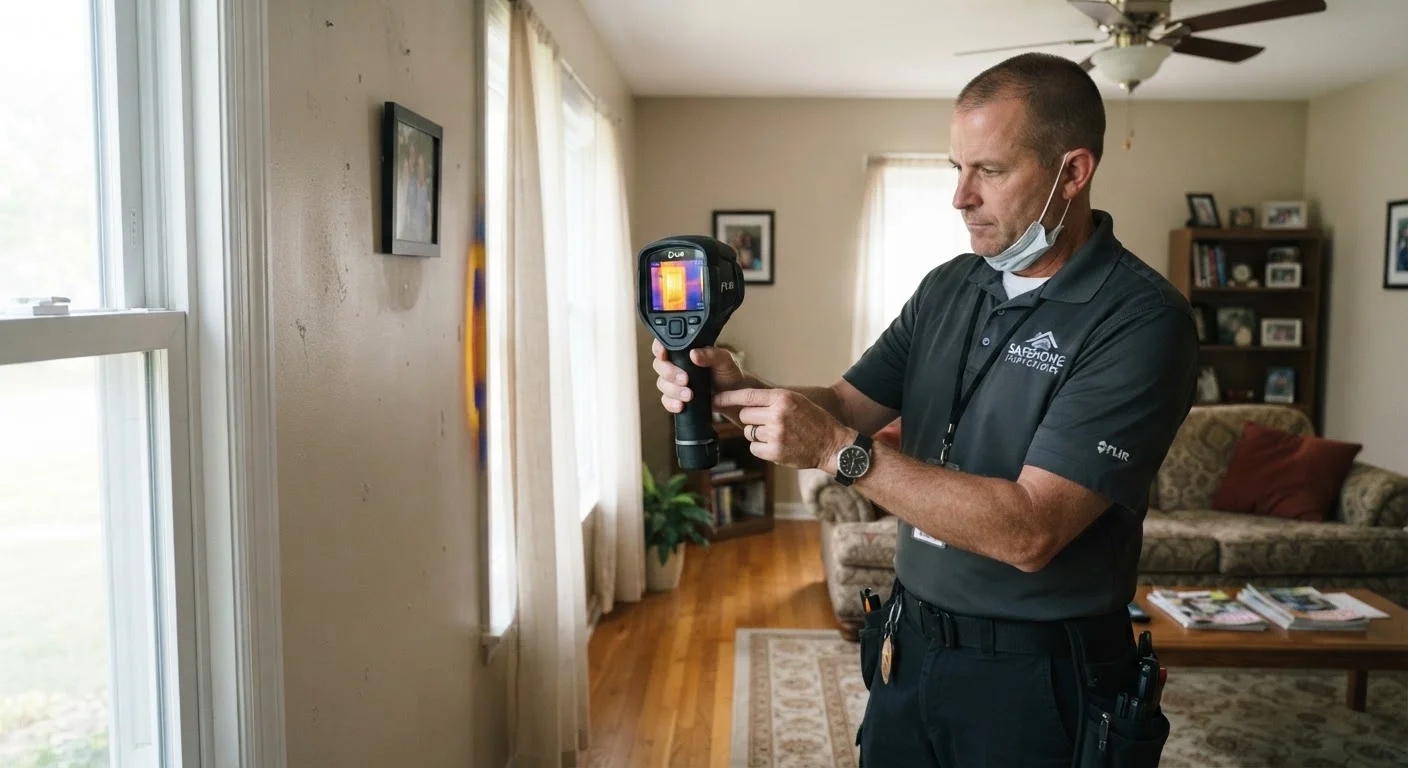
Photo: everythingtoday.com editorial
—— In This Article
Key Takeaways
- An audit identifies specific spots where your home loses conditioned air, not just a general sense that energy is being wasted.
- Blower door and thermal imaging tests give auditors data that a visual inspection alone cannot provide.
- Many utility companies offer free or subsidized audits, so the process does not always cost money out of pocket.
- An audit report prioritizes fixes, which helps homeowners spend on improvements that deliver the biggest savings first.
- Air sealing and insulation upgrades identified in audits often show faster payback than major equipment replacements.
What an auditor actually examines
A professional energy auditor works through your home systematically. The inspection typically covers the attic, basement or crawlspace, exterior walls, windows, doors, and the mechanical systems including the furnace, air conditioner, water heater, and ductwork.
Attic insulation depth and air sealing above the ceiling get close attention because heat rises and a poorly insulated attic is one of the most common sources of energy loss in American homes. The auditor checks whether insulation meets current recommended levels for your climate zone, and whether gaps around light fixtures, pipes, or framing allow conditioned air to escape directly into unconditioned space.
Ductwork inspection matters especially in homes where ducts run through unconditioned attics or crawlspaces. Leaky ducts can account for 20 to 30 percent of the energy used by a forced-air heating or cooling system, according to the U.S. Department of Energy. The auditor looks for disconnected sections, poor connections, and unsealed joints.
Windows and doors get evaluated for air leakage rather than just age. A window can be decades old and still perform acceptably if it was installed well and weather-stripping is intact. Conversely, a newer window installed without proper sealing can leak significant air.
Check with your utility company first
Many electric and gas utilities offer free or reduced-cost energy audits as part of state-mandated efficiency programs. Before paying for a private auditor, call your utility provider or check their website for available programs. Income-qualified households may also be eligible for no-cost audits and weatherization assistance through federal programs.
The diagnostic tests that go beyond a visual check
Visual inspection has limits. Two tests give auditors objective data that a walkthrough cannot produce.
The blower door test involves mounting a calibrated fan in an exterior doorframe, sealing it, and running the fan to reduce indoor air pressure. At reduced pressure, outside air pushes in through every gap in the building envelope. The auditor walks through the house with a smoke pencil or thermal camera to locate where that air enters. The fan measures total air flow, producing a number called air changes per hour that describes how leaky the home is overall.
Thermal imaging uses an infrared camera to map surface temperatures across walls, ceilings, and floors. Cold spots on interior walls indicate missing or settled insulation. Warm spots in summer or cold spots in winter around electrical boxes, plumbing penetrations, or framing members show air infiltration paths invisible to the naked eye. This is particularly useful in finished basements and walls where insulation cannot be directly observed.
20-30%
Energy lost through leaky ducts
The U.S. Department of Energy estimates that leaky duct systems can waste 20 to 30 percent of the energy used by a forced-air heating or cooling system.
~$200-$600
Typical professional audit cost
Out-of-pocket cost for a professional home energy audit, before any utility rebates or subsidized program rates are applied.
25%
Home heating and cooling energy lost through the building envelope
The U.S. Department of Energy notes that air leaks through the building envelope account for a significant share of heating and cooling energy use in typical American homes.
Some auditors also perform a duct blaster test, which pressurizes the duct system separately to quantify how much conditioned air leaks before reaching rooms. Homes with high duct leakage often show uneven temperatures room to room, a sign familiar to many families who wonder why one bedroom is always cold in winter.
Reading the audit report
The written report is where the inspection becomes useful for budgeting. A thorough report lists each problem found, estimates how much energy each issue wastes, and recommends a corrective action along with a rough cost range and projected savings.
Priorities in most reports follow a pattern. Air sealing and insulation improvements tend to appear first because they carry relatively low material costs and affect every hour the heating or cooling system runs. Equipment upgrades, like replacing a furnace or water heater, typically appear further down because the upfront cost is higher even when the long-term savings are substantial.
The report may also note utility rebates or federal tax credits available for specific improvements. These change over time, so verifying current program details directly with your utility company or a tax professional is worth doing before committing to a project. Just as families sometimes discover recurring charges they forgot they signed up for (see our guide to forgotten household subscriptions), an audit can surface ongoing costs that have quietly accumulated without anyone noticing them.
One practical use of the report is getting contractor quotes. A documented finding, such as specific R-value measurements in the attic or a measured duct leakage rate, gives contractors a concrete scope of work rather than an open-ended job description, which can reduce the chance of vague or inflated bids.
Frequently Asked Questions

Home & Garden Editorial Team
Home & Garden Editorial Team is the collective byline for our editorial team and contributor network. Articles published under this byline or an editorial pen name are researched, written, and reviewed according to our editorial standards for clarity, consistency, and independence before publication.
View author profile