
Before You Call a Plumber: A Homeowner Diagnostic Checklist
Walk through this checklist to identify common plumbing issues, rule out simple fixes, and know when a licensed professional is genuinely needed.
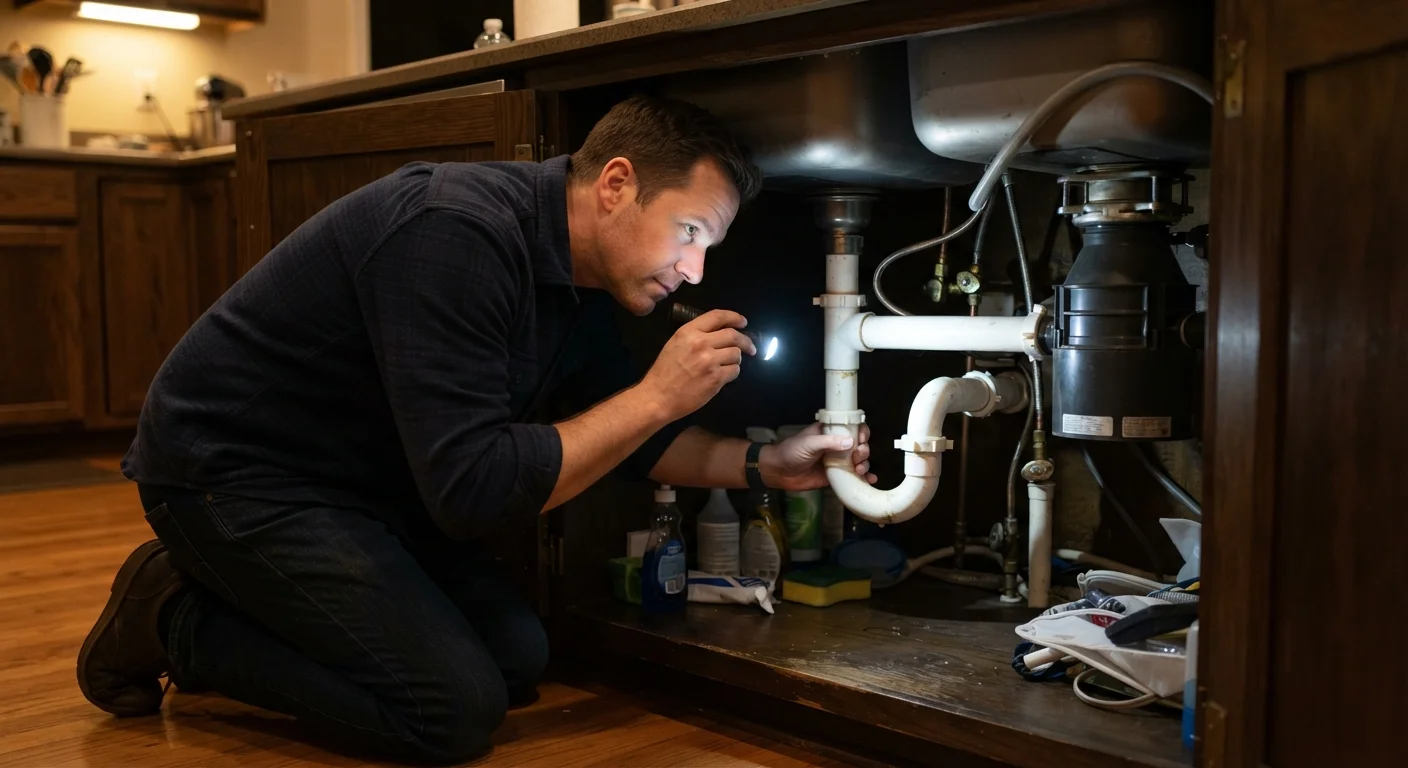
Photo: everythingtoday.com editorial
—— In This Article
Key Takeaways
- Many common plumbing complaints have a simple fix you can confirm before spending money on a service call.
- Knowing your home's shut-off valve locations is the single most useful piece of plumbing knowledge you can have.
- Some problems, like sewer line backups or anything involving gas-adjacent water heaters, require a licensed professional.
- Documenting what you observe before calling a plumber helps the technician diagnose faster and bill less.
- Permits are often required for plumbing work beyond basic fixture repair; verify local requirements before any project.
Why run through a checklist first
A plumber's minimum service call can cost $100 to $200 before any work begins. In many cases, the problem turns out to be a tripped circuit breaker on the water heater, a closed shut-off valve, or a clogged aerator that takes two minutes to clean. Running through a short diagnostic before you dial can save that fee entirely or, at minimum, give the plumber a clear picture so the job moves faster.
This checklist covers the most common household plumbing complaints: low water pressure, slow or blocked drains, running toilets, leaks under sinks, and water heater issues. Work through the sections that match your situation. If any step involves electrical connections, gas lines, or your main sewer line, stop and call a licensed professional. Those systems carry real safety risk and are typically regulated by local permit requirements.
Stop before working near gas or electrical systems
If your water heater is gas-powered and you smell sulfur or rotten eggs, do not attempt any inspection. Leave the space, avoid operating any light switches or appliances, and call your gas utility's emergency line from outside. Any plumbing work near your electrical panel or main breaker should also be left to a licensed professional.
What you need before you start
Gather these items so you are not hunting around mid-inspection.
Flashlight
Inspecting pipes, shut-off valves, and drain openings in poorly lit spaces under sinks and in utility areas.
Plunger (cup style)
Clearing partial blockages in sinks, tubs, and floor drains before escalating to a plumber.
Adjustable wrench
Removing aerators and tightening or loosening supply line connections during inspection.
Food coloring
Testing for a slow flapper leak inside a toilet tank without disassembling any parts.
Dry rags or paper towels
Wiping pipes dry so you can spot active drips during your inspection.
Notepad or phone
Recording your observations to share with a plumber if a professional call turns out to be needed.
You should also know where your main water shut-off valve is located before you start. In most US homes it is near the water meter, often in a utility room, basement, or crawl space. If a pipe bursts or a fitting fails during your inspection, you need to be able to close that valve in seconds.
The diagnostic checklist
Work through the groups below that match your situation. Mark each item as you go.
Low water pressure
Slow or blocked drains
Running or leaking toilet
Water heater problems
Preparing to call a plumber
When to stop and call a professional
Some findings on this checklist should end your DIY investigation immediately. A sewer backup affecting multiple fixtures at once points to a blockage in the main line, which requires professional camera inspection and is not a job for a household drain snake. Any leak near an electrical panel, any smell of rotten eggs near a gas water heater, or any pipe that has visibly corroded through all require a licensed plumber or, in the gas case, your utility provider.
Work that goes beyond swapping fixtures or cleaning aerators typically requires a permit in most US jurisdictions. That includes replacing water heaters, rerouting supply lines, or adding new drain connections. Your local building department is the right place to confirm what applies in your area before any project moves forward.
When you do call a plumber, share what you found during this checklist. Describe the symptoms, note which fixtures are affected, mention whether the issue is isolated or whole-house, and tell them what you already checked. That context usually shortens the diagnosis and keeps the bill lower. If you find budgeting for home repairs stressful, the same preparation mindset that helps here also applies to big family projects: see our family trip planning checklist for a practical example of how advance research prevents expensive surprises.

Home & Garden Editorial Team
Home & Garden Editorial Team is the collective byline for our editorial team and contributor network. Articles published under this byline or an editorial pen name are researched, written, and reviewed according to our editorial standards for clarity, consistency, and independence before publication.
View author profile